
Neelam Mango
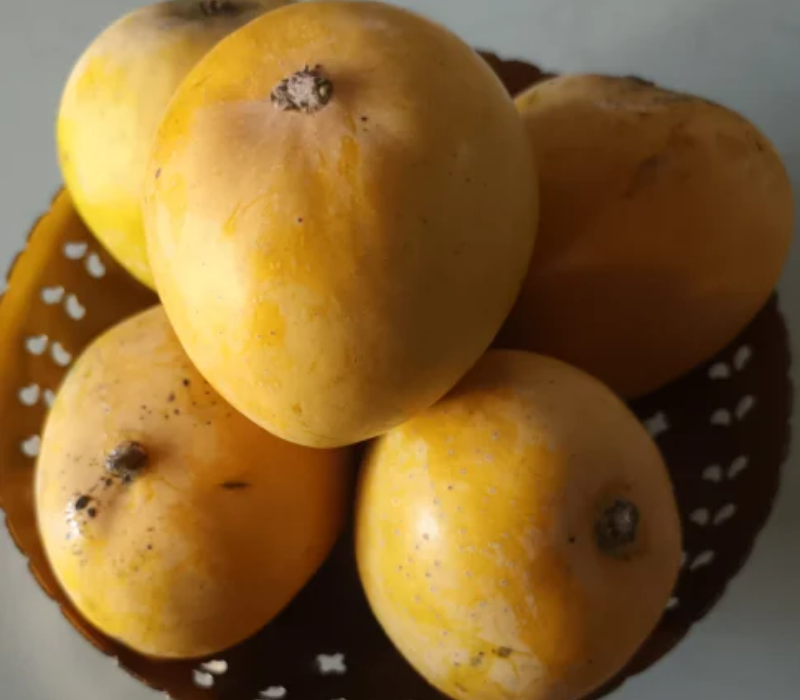
Price range: ₹650.00 through ₹1,050.00🥭 Neelum (Neelam) Mango – Short Description:-
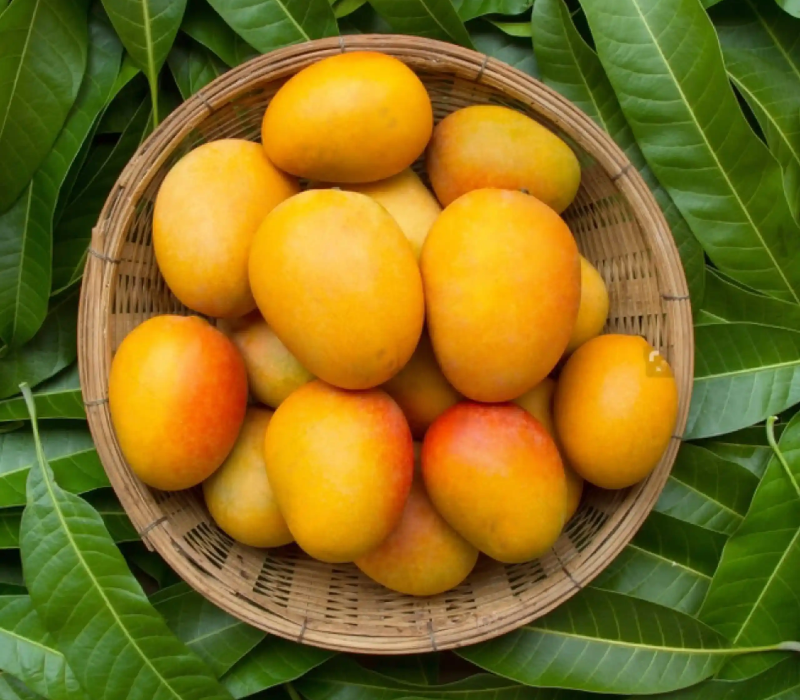
- Shape: Medium, oval to oblong (200–250g)
- Color: Golden yellow with reddish blush on shoulders
- Flesh: Deep yellow, fiberless, firm & juicy
- Sweetness: Sweet with slight tangy note
- Taste: Rich, aromatic, pleasant flavor
- TSS/Brix: 18–20°
- Specialty: Late-season variety (June–July), regular bearer, high market demand
👉 Would you like me to now create a comparison chart of Alphonso, Gir Kesar, Ratna, Neelum, and Black Kasturi for quick farming & marketing reference?


Pusa Lalima Mango
Price range: ₹750.00 through ₹7,500.00Pusa Lalima Mango
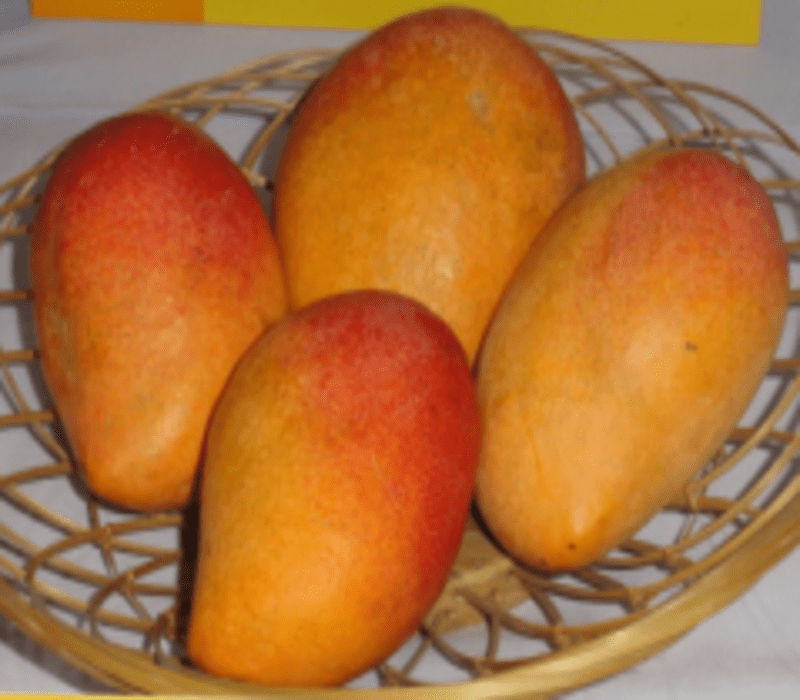
Pusa Lalima Mango is a premium mango variety known for its exceptional sweetness, rich flavor, and vibrant color. It is cherished for its juicy flesh and aromatic taste, making it a favorite among mango enthusiasts.
- Pusa Lalima Mango is another variety developed by the Indian Agricultural Research Institute (IARI), known for its distinct features. Here’s a breakdown of its color, sweetness, taste, and Total Soluble Solids (TSS):
- Color:
- Skin Color: The skin of Pusa Lalima mango has a unique appearance, with a bright yellow base and a distinct red blush or tinge over the top portion of the fruit. The red coloration gives it an attractive, vibrant look.
- Flesh Color: The flesh is a rich, golden yellow color, characteristic of many mango varieties, with a smooth, juicy texture.
- Sweetness:
- Pusa Lalima mango is known for its moderately sweet flavor, with a balance between sweetness and mild acidity. The sweetness is prominent but not overpowering, which makes it refreshing and appealing. Its sugar content typically ranges around 16-18%.
- Taste:
- The taste of Pusa Lalima mango is pleasantly sweet with a mild tangy undertone. The mango’s flavor is smooth and juicy, offering a balanced mix of sweetness and acidity, making it ideal for direct consumption or use in mango-based products like juices or desserts.
- TSS (Total Soluble Solids):
- The TSS content of Pusa Lalima mango typically ranges between 18% to 20%, indicating a good amount of sugars and juice content. TSS is a crucial indicator of the mango’s flavor quality, and Pusa Lalima’s value reflects its moderate sweetness and juiciness.
In summary, the Pusa Lalima mango is known for its attractive appearance with a yellow and red skin, moderate sweetness, balanced flavor, and decent TSS, making it another favorite among mango enthusiasts.
- Color:
Pusa Prathiba Mango
Price range: ₹750.00 through ₹4,500.00Pusa Prathiba Mango
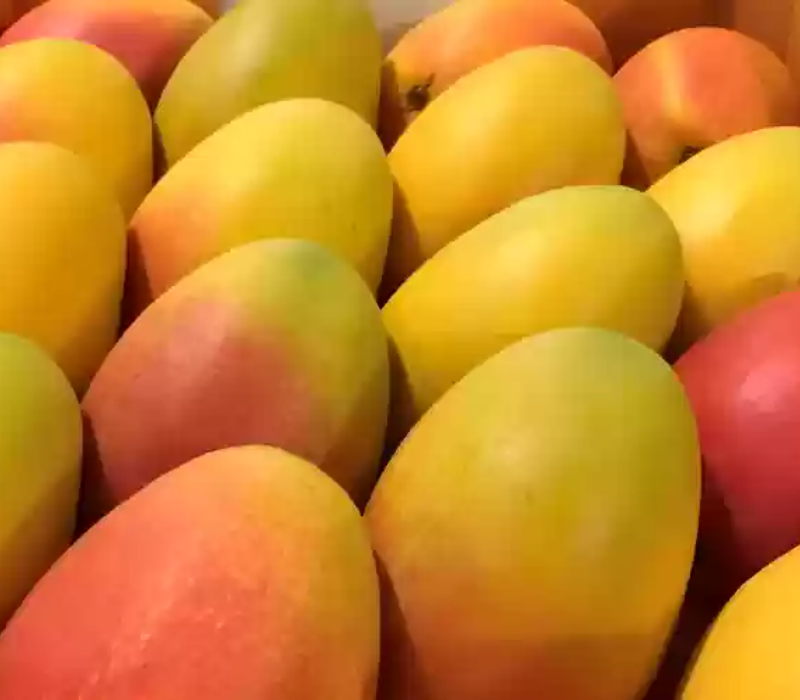
The Pusa Prathiba Mango is a hybrid variety known for its moderate to high sweetness and smooth, fiberless flesh. It has a greenish-yellow skin with a slight red blush and a golden-yellow interior. The mango offers a perfect balance of sweetness and tanginess, making it ideal for fresh consumption, juices, smoothies, and desserts. With its high yield and disease resistance, it is a favorite among growers, delivering consistent, high-quality fruit.
- The Pusa Prathiba Mango is known for its excellent quality, sweet taste, and disease resistance. Here’s a detailed breakdown of its color, sweetness, and Total Soluble Solids (TSS):
- Color:
- Skin Color: The skin of the Pusa Prathiba Mango is typically greenish-yellow with a slight red blush as it ripens. The red blush is often more prominent near the top of the fruit, where the sun exposure is highest.
- Flesh Color: The flesh inside is a rich golden yellow. It is vibrant and smooth, offering an appealing visual when sliced, which complements the mango’s tropical flavor.
- Sweetness:
- Sweetness: The Pusa Prathiba Mango is known for its moderate to high sweetness, often described as rich but not overpowering. The sweetness is balanced with a slight tanginess, offering a refreshing and well-rounded flavor. This makes it ideal for fresh consumption and also for use in smoothies, desserts, and other culinary applications.
- Total Soluble Solids (TSS):
- TSS: The Total Soluble Solids (TSS) in mangoes, which mainly represents the sugar content, typically ranges from 16% to 22% depending on the variety, ripeness, and growing conditions.
- For Pusa Prathiba Mango, the TSS usually falls in the range of 16% to 18% when it is fully ripe. This indicates a good level of sweetness and a satisfying mango flavor that is not excessively sugary but well balanced.
- Summary:
- Color: Greenish-yellow skin with a golden-yellow flesh.
- Sweetness: Moderate to high sweetness, balanced with a mild tanginess.
- TSS: Typically around 16% to 18%, reflecting a good sugar content and excellent flavor.
- The Pusa Prathiba Mango offers a delightful combination of visual appeal, sweetness, and flavor concentration, making it a popular choice for fresh consumption and culinary use.

Pusa shrestha Mango
Price range: ₹750.00 through ₹8,500.00Pusha Shrestha Mango:
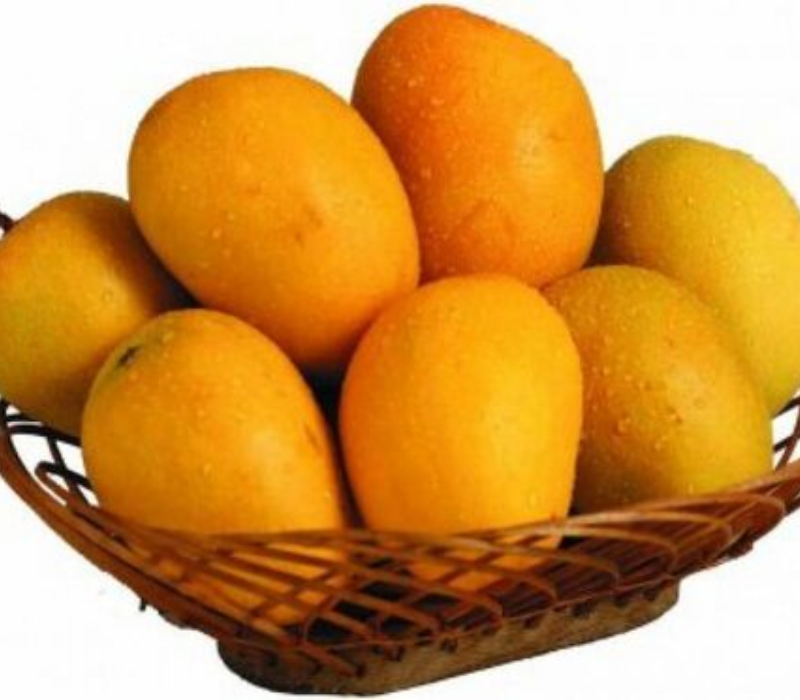
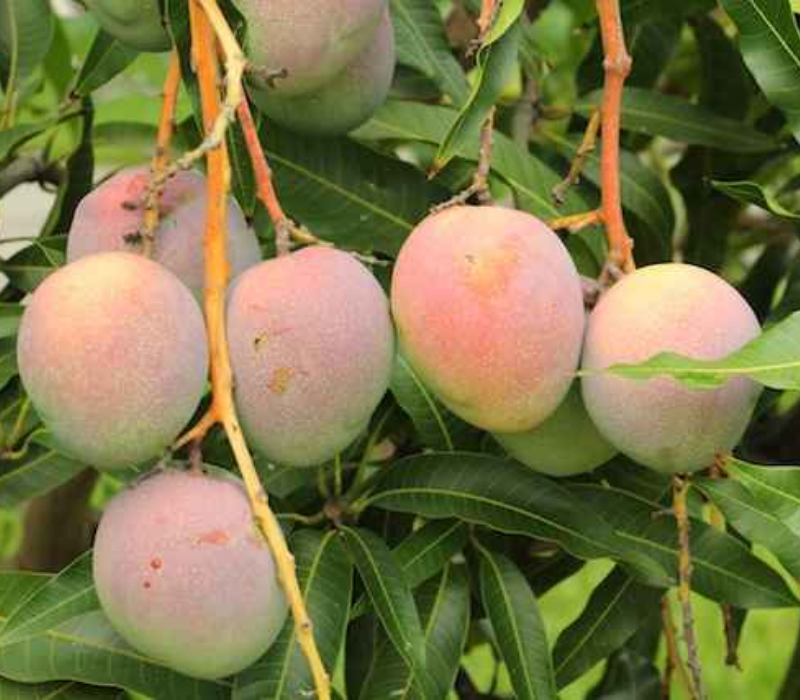
Pusa Shreshth is a unique hybrid of Amrapali x Sensation having regularity in bearing, attractive elongated shape, red peel and orange pulp. The plants are semivigorous and are suitable for closer planting (6 m x 6m).
The Pusha Shrestha Mango is a vibrant and flavorful variety known for its rich color, delightful taste, and natural sweetness.
Color:The Pusha Shrestha Mango typically has a smooth, greenish-yellow skin that may develop a reddish blush as it ripens. The fruit’s flesh is a rich, golden-orange hue, indicating its ripeness and the sweetness inside. The vibrant color of the mango is visually appealing and signals its high quality, making it a standout fruit.
Taste:The taste of the Pusha Shrestha Mango is truly exceptional. It has a sweet and rich flavor with a perfect balance of natural sugars and a mild, pleasant acidity. The sweetness is intense but not overwhelming, and the flavor is smooth and refreshing. Unlike some other mango varieties that can be tangy or fibrous, the Pusha Shrestha mango offers a pure, consistent sweetness that makes it a delightful treat for mango lovers.
Sweetness: The Pusha Shrestha Mango is known for its remarkable sweetness. The high sugar content gives it a rich and satisfying taste, with the flesh being soft and buttery. When fully ripe, this mango offers a burst of sweetness with minimal acidity, making it one of the most cherished mango varieties for those who prefer a sweet and juicy fruit. The lack of fibrous texture adds to its appeal, allowing for a smooth, creamy eating experience.
In summary, the Pusha Shrestha Mango is celebrated for its vibrant color, luscious sweetness, and smooth, tangy-sweet flavor, making it a favorite among mango varieties.
Red Lady/Lady Jane Mango
Price range: ₹750.00 through ₹1,850.00Here’s the short description of Red Lady / Lady Jane Mango:-
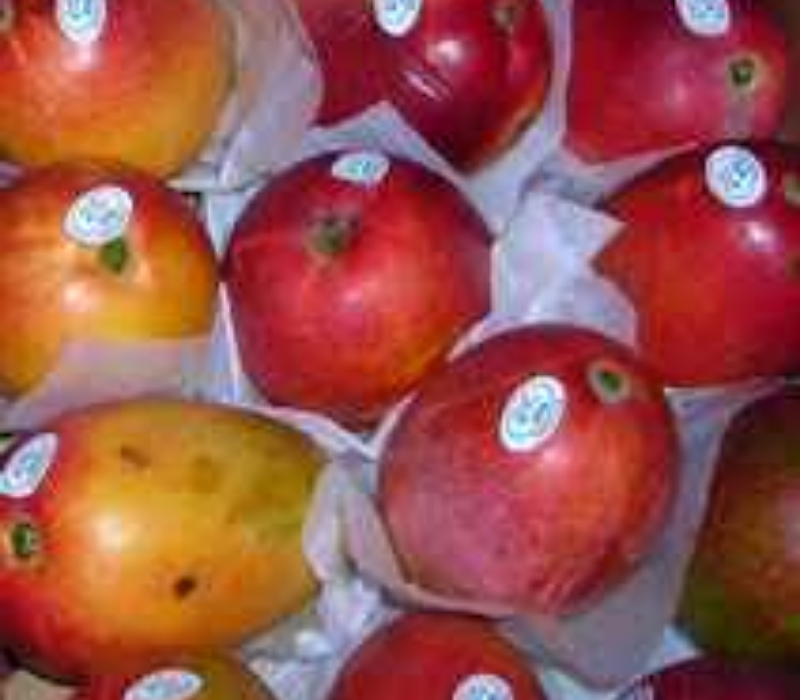
- Shape: Oval to oblong
- Color: Golden yellow with attractive red blush
- Weight: 300–450 g
- Sweetness: High, mildly tangy, aromatic
- Test: Fiberless, juicy, smooth flesh
- TSS (Brix): 19–21°
- Briks: Balanced sweetness and acidity
👉 Overall: A premium red-blushed, export-quality mango with sweet, juicy, fiberless flesh.
Do you want me to also make a side-by-side short description table comparing Son of Gold and Red Lady for quick reference?
American Beauty Mango
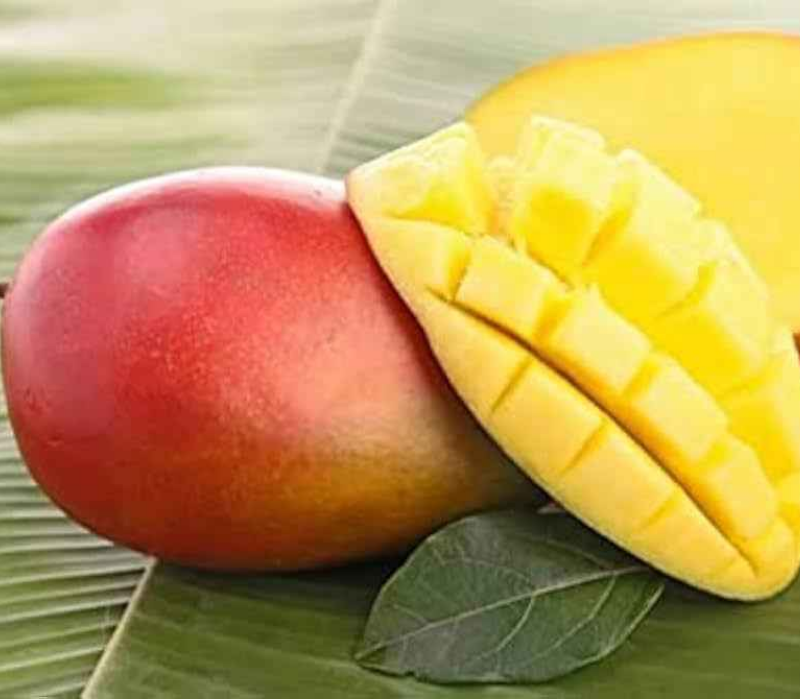
Price range: ₹750.00 through ₹1,500.00Here’s the short description of American Beauty Mango:-
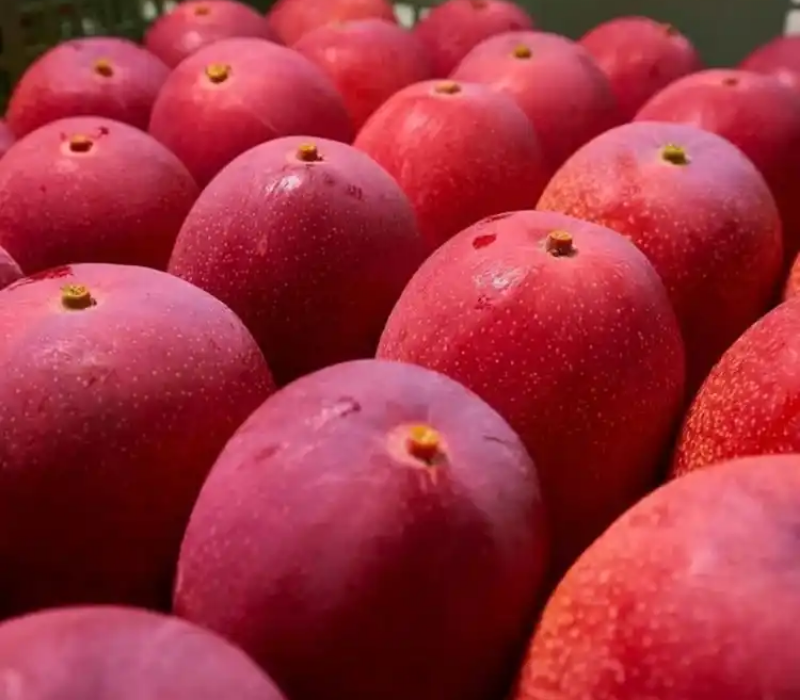
American Beauty Mango is a premium hybrid variety with large oval fruits (350–500 g), a yellow skin with bright red/purple blush, and deep orange, fiberless, juicy pulp. It has a very sweet taste (20–22° Brix), a shelf life of 12–15 days, and is highly suitable for export markets. Trees start bearing in 3–4 years, yielding 100–200 kg per tree annually, with good disease resistance and high profitability.
👉 Do you want me to also make a comparison table (size, color, sweetness, TSS, yield, etc.) between 3Test Mango and American Beauty Mango for easy reference?
-
Shape: Oval to oblong
-
Skin Color: Yellow base with bright red/purple blush at maturity
-
Pulp Color: Deep orange-yellow, fiberless, juicy
-
Average Weight: 350–500 g per fruit
-
Taste: Very sweet, aromatic
-
TSS (Total Soluble Solids): 20–22° Brix
-
Shelf Life: 12–15 days after harvest (excellent for transport & export)
-
Special Feature: Attractive appearance + high sweetness, often compared to Florida mango types
Nass 3 Mango
Price range: ₹750.00 through ₹1,250.00Here’s the short description of NASS 3 Mango:
NASS 3 Mango is a high-yielding hybrid from the Philippines with oval-oblong fruits (350–600 g), bright yellow skin with light red blush, and golden-yellow, fiberless pulp. It has a sweet, aromatic taste (19–21° Brix), shelf life of 10–14 days, and good resistance to anthracnose & powdery mildew. Trees start bearing in 3–4 years, producing 10–12 tons/acre (traditional) or 16–18 tons/acre (high-density farming).
👉 Do you want me to also prepare a comparison chart of NASS 3 vs Keitt vs American Beauty Mango for quick side-by-side reference?
-
Origin: Philippines (developed under NASS program)
-
Shape: Oval-oblong, uniform
-
Skin Color: Green turning bright yellow with light red blush at maturity
-
Pulp Color: Deep golden-yellow, fiberless and juicy
-
Average Weight: 350–600 g per fruit
-
Taste: Sweet and aromatic, less acidic
-
TSS (Total Soluble Solids): 19–21° Brix
-
Shelf Life: 10–14 days (good for transport/export)
-
Special Features:
-
High fruit setting rate
-
Resistant to anthracnose and powdery mildew
-
Excellent keeping quality
-

Pusa Manohari Mango
Price range: ₹950.00 through ₹8,500.00Pusa Manohari Mango
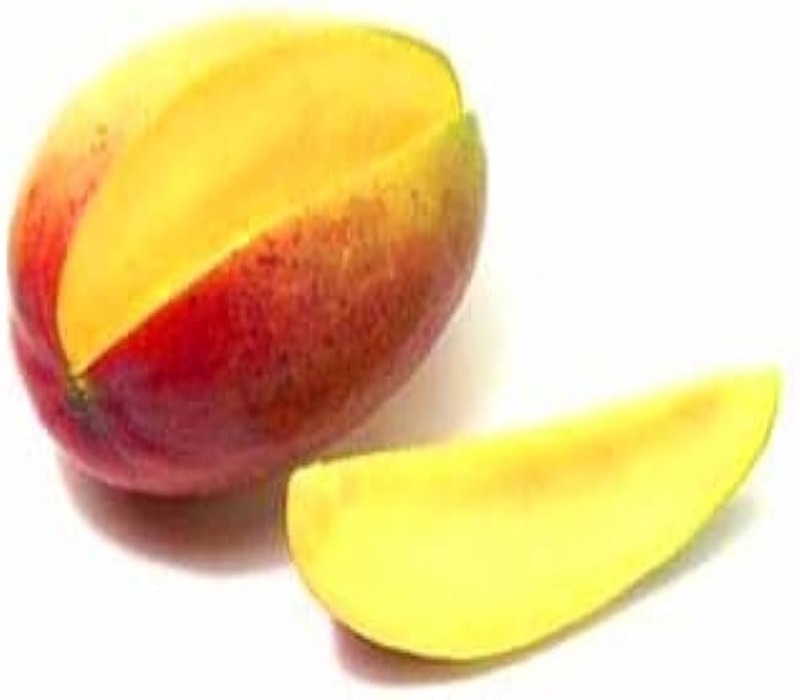
“Pusa Manohari Mango” is a premium variety of mango known for its exquisite taste, vibrant color, and aromatic fragrance. Grown primarily in India, particularly in the state of Bihar, this mango cultivar is celebrated for its juicy flesh and minimal fiber content, making it a favorite among mango enthusiasts worldwide.
- Pusa Manohari Mango is a variety of mango developed by the Indian Agricultural Research Institute (IARI), known for its distinct characteristics. Here’s a breakdown of its color, sweetness, taste, and Total Soluble Solids (TSS):
- Color:
- Skin Color: The skin of Pusa Manohari mango is typically greenish-yellow when ripe, with a slight reddish-orange tinge near the top, especially when fully mature.
- Flesh Color: The flesh is a rich golden yellow, smooth, and juicy.
- Sweetness:
- Pusa Manohari mango is known for its sweet flavor, with a good balance of sweetness and tanginess. It is less fibrous compared to other mango varieties, making it ideal for fresh consumption. The sweetness level is high, typically around 18-22% sugar content, making it very sweet and appealing to most mango lovers.
- Taste:
- The taste is mildly tangy with a delicate floral fragrance. The combination of sweetness and slight acidity creates a pleasant and refreshing taste, which is highly rated among mango varieties.
- TSS (Total Soluble Solids):
- The TSS content of Pusa Manohari mango is typically high, ranging between 19% to 22%. TSS is a key indicator of sweetness and juice content, and for Pusa Manohari, this high value reflects its rich, sugary, and juicy nature.
In summary, the Pusa Manohari mango is characterized by its bright color, high sweetness, delightful taste, and excellent TSS, making it one of the preferred varieties for consumption.
- Color: