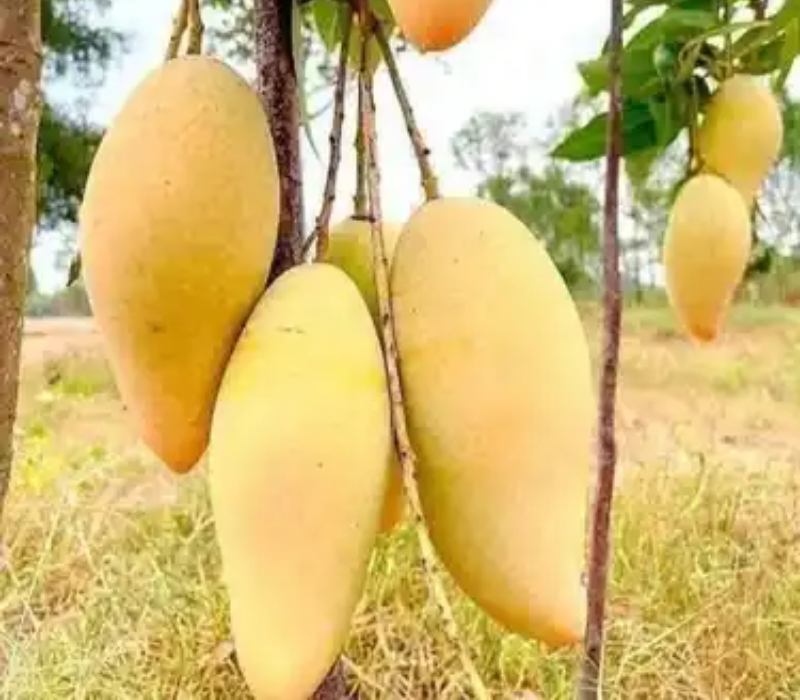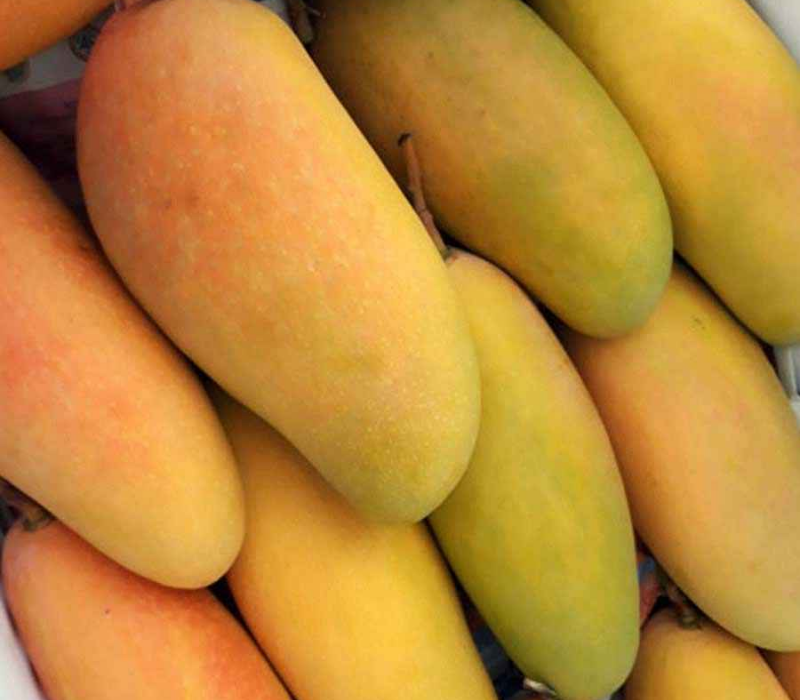
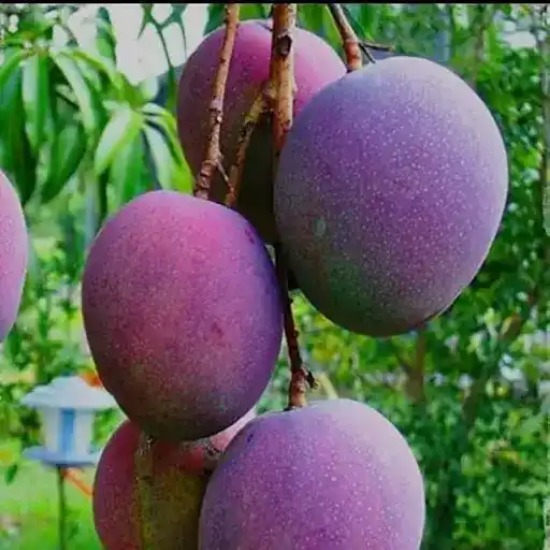

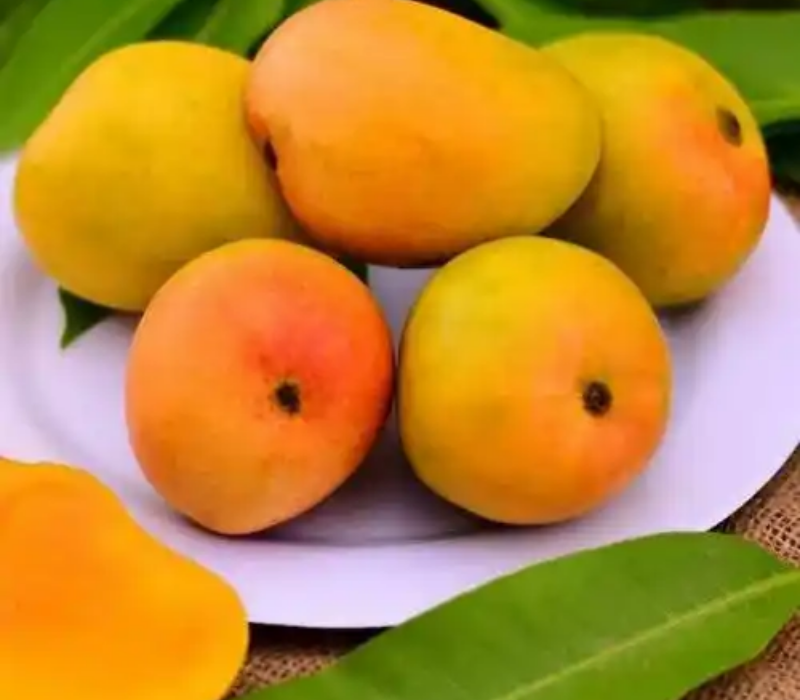
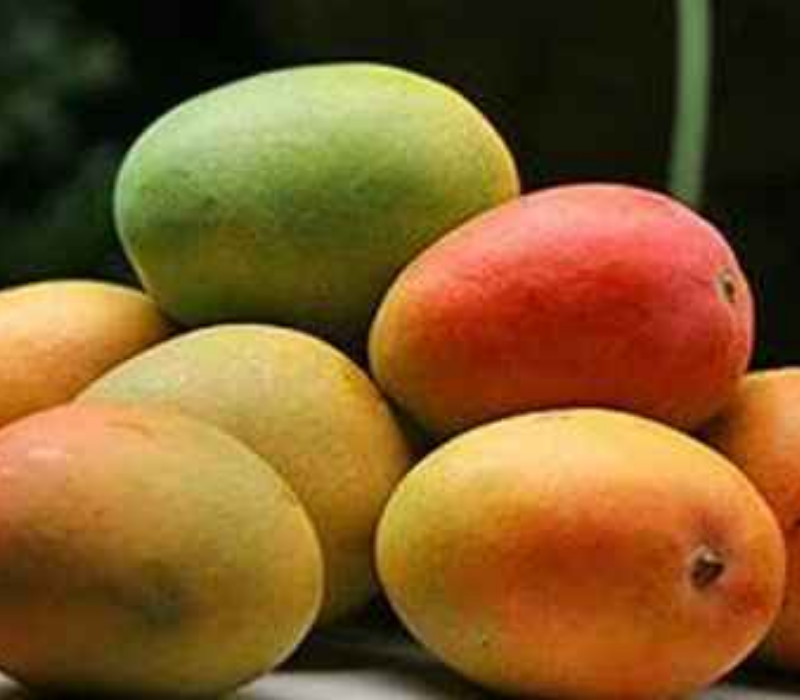
Red Palmer Mango

420.004,500.00

American Palmer Mango Profile:-

🟡 Origin:

  • Developed in Florida, USA, around the mid-20th century.

  • Believed to be a seedling of the Haden mango, selected for commercial potential due to its size and storage life.


🍭 Taste:

  • Mildly sweet with a sub-acid tang, making it refreshing and less sugary than ultra-sweet varieties like Alphonso.

  • The taste becomes richer and more aromatic as the fruit ripens.

  • No fiber, making the flesh smooth and buttery.


🎨 Color:

  • Skin is greenish-yellow when immature, ripening to a deep red to purple blush on the sun-exposed side, and golden yellow on the shaded side.

  • Flesh is deep orange-yellow and visually appealing.


⚖️ Weight & Size:

  • Large-sized mango, typically weighing between 600 to 1,000 grams (0.6 to 1 kg).

  • Elongated oval to oblong shape.


🍬 Brix (Sweetness Level):

  • Brix content ranges between 16 to 18° Brix, indicating moderate to high sweetness.

  • Sweetness improves significantly when fully tree-ripened.


🍯 Sweetness Profile:

  • Less cloying than Indian varieties like Dasheri or Langra.

  • Balanced sweetness with a light tropical tang.

  • Ideal for those who prefer non-overpowering sweetness with subtle complexity.


🧵 Texture:

  • Fiberless, smooth, and firm flesh.

  • Excellent for fresh consumption, salads, smoothies, and slicing.


Would you like a comparison of Palmer with another mango like Kent, Tommy Atkins, or Nam Dok Mai?

Kohitur Mango

480.003,500.00

🥭 Kohitur Mango Description :

Kohitur Mango is a rare and royal mango variety from Murshidabad, West Bengal, known for its exceptional sweetness, buttery, fiberless flesh, and intense aroma. Once grown exclusively for Mughal royalty, it is now cultivated in very limited numbers, making it one of the most exclusive and expensive mangoes in the world. With a high Brix level (23–26°) and a short shelf life, Kohitur is often considered a heritage delicacy, prized more for its cultural and historical value than commercial use.

🌟 Key Features:

  • Origin: Murshidabad, West Bengal, India

  • Type: Ultra-rare heritage mango

  • Fruit Shape: Oval to slightly oblong

  • Skin: Thin, delicate, pale yellow to golden

  • Flesh: Rich yellow, buttery, smooth

  • Fiber Content: Absolutely fiberless – melt-in-mouth texture

  • Aroma: Strongly aromatic, with floral and musky notes

  • Taste Profile: Incredibly sweet with a royal, perfumed flavor – often described as “mango nectar”

  • Brix (Sweetness): Around 23–26° Brix – extremely high

  • Seed: Small and thin, often monoembryonic

  • Weight: 200–300 grams per fruit

  • Shelf Life: Very short – highly perishable, usually consumed within 2–3 days of ripening

  • Harvest Season: June to early July (short window)

Husn E Ara Mango

600.004,200.00

Husn-e-Ara Mango  :-

Husn-e-Ara is a unique and lesser-known mango variety, often regarded as a collector’s delight due to its rare availability and aesthetic appeal. The name “Husn-e-Ara” roughly translates to “beauty adornment” in Urdu, reflecting its beautiful and elegant appearance.

  • Color: The mango displays a stunning blend of golden yellow with soft blushes of red or pink near the top as it ripens, enhancing its ornamental appeal.

  • Taste: Exceptionally sweet and aromatic with a rich, floral flavor profile. It has a hint of honey-like notes that linger on the palate.

  • Texture: Smooth, fiberless flesh that melts in the mouth, making it ideal for fresh consumption.

  • Weight: Typically medium-sized, ranging from 250 to 350 grams per fruit.

  • Brix (Sweetness): High brix level, usually around 20–23° Brix, indicating intense natural sweetness.

  • Season: It ripens mid-to-late in the mango season, depending on the region.


Let me know if you’d like cultivation details or comparisons with other mangoes!

Osteen Mango

650.005,200.00

Here is the detailed profile of the Osteen Mango:-

  • Sweetness: Moderately sweet.

  • Taste: Mild, fruity flavor with a light tang and tropical notes; not overly rich.

  • Weight: Typically ranges from 400 to 700 grams.

  • Color: Deep purple to reddish-violet with green and yellow undertones when ripe.

  • Brix (Sugar Content): Around 16 to 20° Brix, indicating moderate to good sweetness.

Let me know if you’d like a comparison with other mango varieties or a visual guide.

MAYA Mango

950.007,500.00

Here is a detailed profile of the Maya Mango:-

  • Sweetness: Very high; intensely sweet and rich in flavor

  • Color: Bright golden-yellow with occasional reddish blush

  • Taste: Sweet, tropical, and aromatic with a hint of citrus and honey notes

  • Weight: Typically ranges between 300 to 500 grams

  • Brix (Sugar Content): Around 20 to 23° Brix, indicating high natural sugar levels

Let me know if you’d like a long description or a comparison with other mangoes.

Tommy Atkins Mango

650.004,200.00

Tommy Atkins Mango Profile :- 

  • Colour:-

    • Skin: Green-yellow base with a vibrant red to dark crimson blush, often covering much of the surface. Some fruits show orange or purplish tinges, with small white lenticels (dots).

    • Flesh: Golden yellow to deep orange, with a fibrous texture.

  • Sweetness:-

    • Moderate sweetness, with a mild flavor. Not as intensely sweet or aromatic as varieties like Alphonso or Kent.

    • Slightly tangy notes make it refreshing but less rich in sugary taste.

  • Size:-

    • Medium to large; typically weighs between 300g to 700g per fruit.

    • Oval or oblong in shape, with a thick skin.

  • Brix (°Bx) (sugar content):-

    • Typically ranges from 12 to 14° Brix, sometimes up to 15 depending on growing conditions.

    • This indicates moderate sugar content, contributing to its balanced but not overpowering flavor.

Let me know if you’d like a comparison with other mango varieties.

TJC Mango

1,550.007,500.00

                  TJC Mango In Sri Lankhan

The TJC Mango, often referred to as Tommy Atkins, is a popular mango variety known for its vibrant yellow-orange skin with a reddish blush and smooth, fiberless golden-yellow flesh. It has a sweet, honey-like flavor with a slight tang, offering a refreshing taste. This mango is typically medium to large in size and is highly favored for fresh eating, smoothies, and desserts. It is commonly available in spring and summer and is grown in tropical regions such as India, Mexico, and Pakistan.

  • Color Test:
  • Skin Color: The TJC Mango typically has a vibrant yellow-orange skin when fully ripe, with a potential reddish blush on one side, especially if the fruit has been exposed to sunlight. The intensity of the red hue can vary, but the fruit is generally a mix of yellow, orange, and red, creating a colorful and appealing appearance.
  • Flesh Color: Once peeled, the flesh is a bright golden yellow and has a smooth texture with minimal fiber. This vibrant flesh color indicates the mango’s ripeness and high nutritional content, especially the presence of beta-carotene (which gives it its yellow hue and supports eye health).
  • Sweetness:
  • The TJC Mango is known for its sweet, rich flavor. It has a balanced taste that combines natural sweetness with a slight tartness, making it refreshing and complex. The sweetness level can vary slightly depending on the ripeness of the mango, but when fully ripe, the TJC Mango is very sweet.
  • On a Brix scale, which measures the sugar content in fruit, a ripe TJC Mango can reach around 14-16° Brix, indicating a high level of sweetness. The flesh is generally fiberless, providing a smooth and enjoyable eating experience.
  • Taste Profile:
  • The sweetness is honey-like with a slight tang or citrus undertone. This makes it ideal for fresh eating, smoothies, desserts, or salads.
  • Although it is not as intensely sugary as some varieties (like Alphonso), the TJC Mango’s balanced flavor and moderate acidity add to its popularity.
  • In summary, the TJC Mango is characterized by a vibrant, colorful skin and sweet, honey-like flavor, making it a favorite among mango varieties for both its visual appeal and delicious taste.

Nam Doc Mi Mango

450.004,800.00


Nam Doc Mai  Mango 


A mango is a sweet tropical fruit, and it’s also the name of the trees on which the fruit grows. Ripe mangoes are juicy, fleshy, and delicious. Like peaches and plums, mangoes have an inedible pit at the center. Unlike these other fruits, the skin of a mango is very tough and also inedible.

The Nam Doc Mai mango, a premium variety from Thailand, is known for its exceptional sweetness and smooth, non-fibrous texture. The Total Soluble Solids (TSS) content of the Nam Doc Mai mango typically ranges from 18% to 24% when fully ripe. This high TSS indicates a higher sugar content, contributing to its rich, sweet flavor and creamy texture. The TSS value is an important factor in determining the fruit’s sweetness and overall quality, and the Nam Doc Mai mango is often considered one of the sweetest mango varieties due to this characteristic.

Red Ivory Mango

450.004,200.00

Red Ivory Mango

  • Red Ivory is named for its resemblance to a young elephant’s tusk due to its long, thin shape. It was first introduced into Yunnan, China from Thailand in 1914. The actual tree that was the first to be imported still grows, and during one year produced almost 500 kg of fruit. The fruit has thin, smooth skin.
  • Red ivory mango is a newcomer mango originating from Thailand. This mango has an exotic color with a fairly jumbo fruit size, weighing up to 2 kg per fruit. The taste of the fruit is sweet with a fragrant aroma and has soft flesh without fiber. The fruit has thin, smooth skin.
  • Color: The Red Ivory Mango has an attractive appearance with a distinctive color. The skin is a blend of light green and yellow with a red blush that deepens as the mango ripens, giving it a visually appealing look. The flesh inside is a deep, rich golden-yellow, signaling its ripeness and sweetness.
  • Taste: The taste of the Red Ivory Mango is sweet, aromatic, and rich, with a smooth texture and minimal fiber. It is often described as having a delicate balance of tropical sweetness and a hint of citrusy tang, which adds to its refreshing flavor. The mango’s flesh is buttery, juicy, and creamy, making it a perfect treat to enjoy fresh or in various dishes.
  • Sweetness: The Red Ivory Mango is known for its high sweetness, often rated as one of the sweeter mango varieties. Its sugar content is quite pronounced, and the sweetness is balanced by a subtle tangy note, making it an ideal choice for those who prefer a tropical fruit that is rich yet refreshing.
  • TSS (Total Soluble Solids): The TSS of the Red Ivory Mango typically ranges from 18% to 22% when fully ripe. This high TSS indicates a substantial amount of natural sugars, contributing to its intensely sweet flavor. The TSS value is a key indicator of the fruit’s quality, and the Red Ivory Mango’s high TSS makes it a top-tier mango variety prized for its flavor and texture.