₹650.00–₹7,500.00Price range: ₹650.00 through ₹7,500.00
Details:
🥭 American Kent Mango – Description :-
The Kent mango is a premium late-season mango variety developed in Florida, USA. Known for its large size, smooth fiberless flesh, and rich, sweet flavor, Kent is a favorite in both fresh markets and exports due to its excellent eating quality and shelf life.
American Kent Mango – Overview
🟡 Origin:
The Kent mango originated in Florida, USA, in the 1940s.
It is a seedling of the Brooks mango and possibly a hybrid with Haden.
It was selected for its excellent eating quality, low fiber, and attractive appearance.
📌 Fruit Characteristics
🍭 Taste:
The Kent mango is known for its rich, sweet, and juicy flavor.
Very low in acidity, making it exceptionally smooth and pleasant on the palate.
Almost fiberless, with a buttery, soft texture.
Great for fresh eating, juicing, and desserts.
🎨 Color:
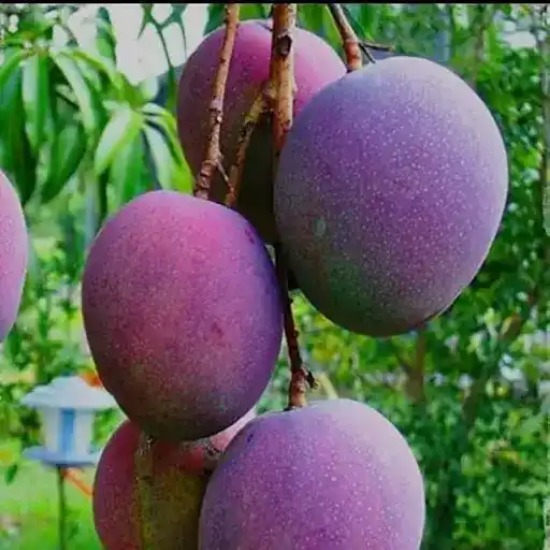
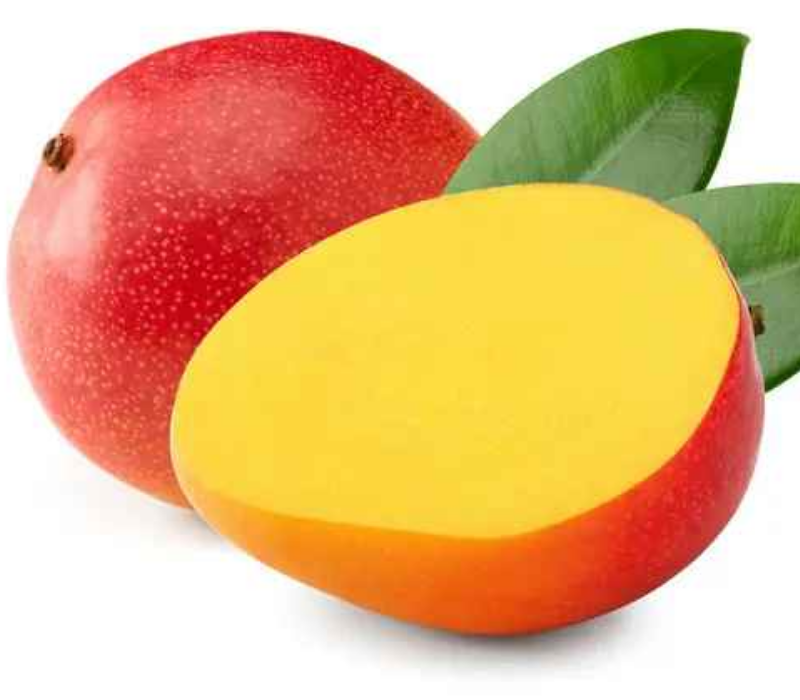
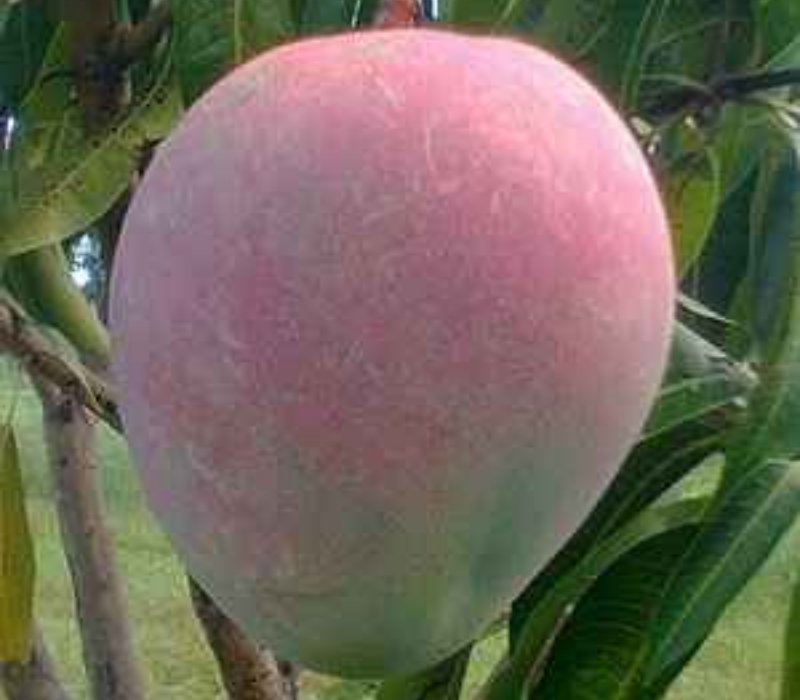
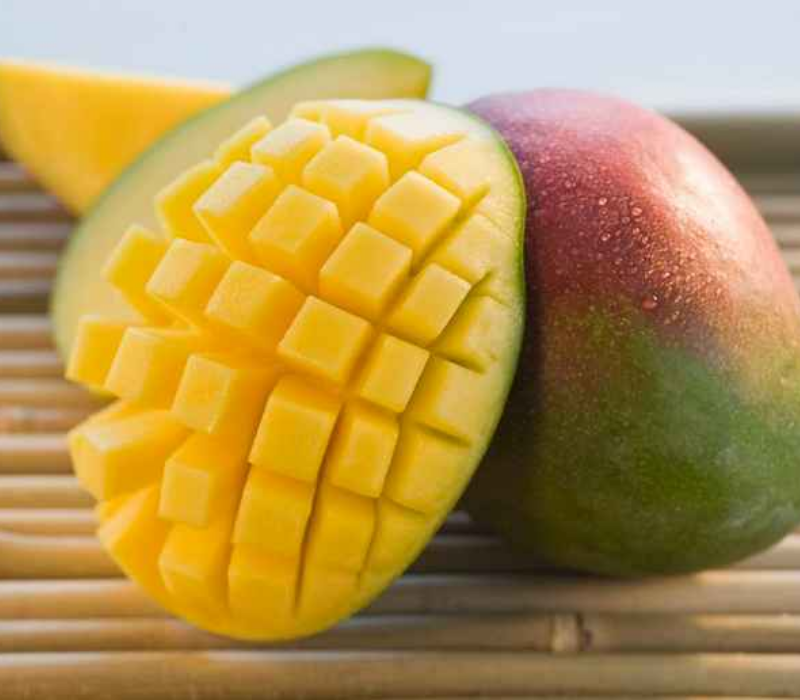
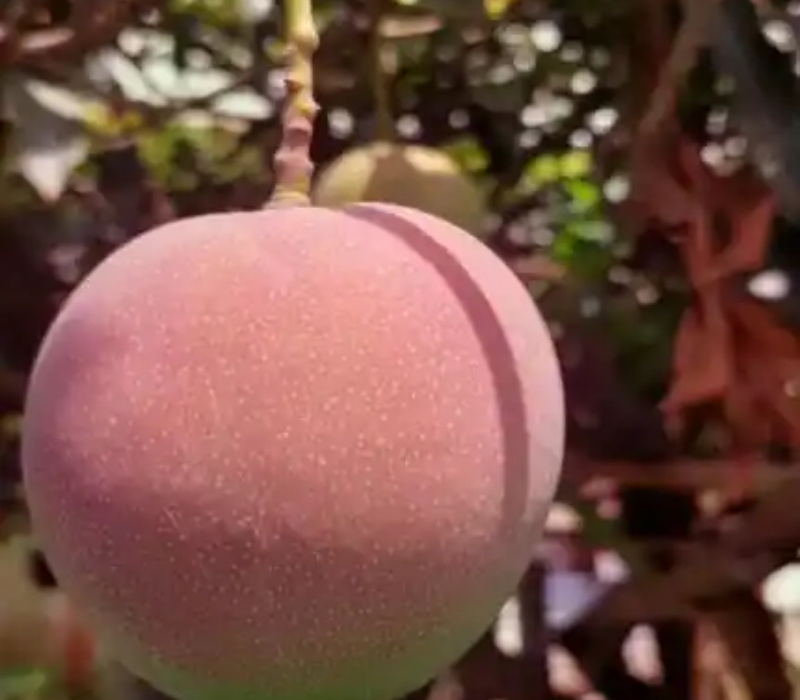
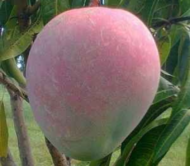
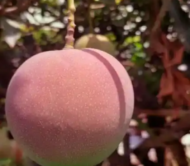
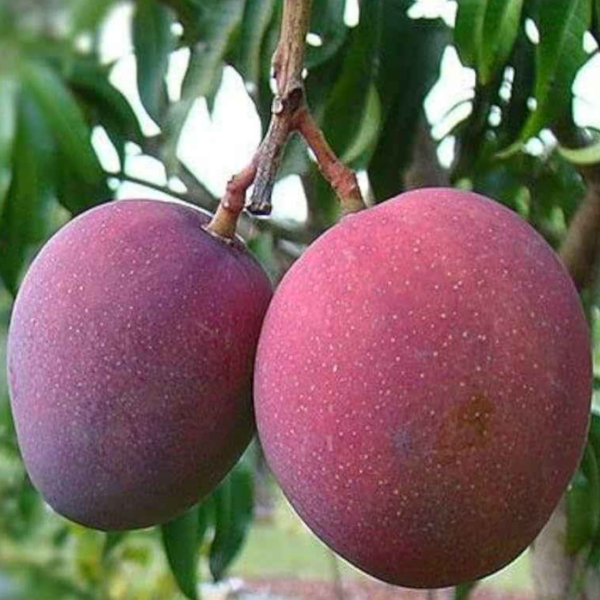
The skin is dark green with a red to dark crimson blush on the sun-exposed side.
Even when ripe, the green base color often remains, which can be misleading to those unfamiliar.
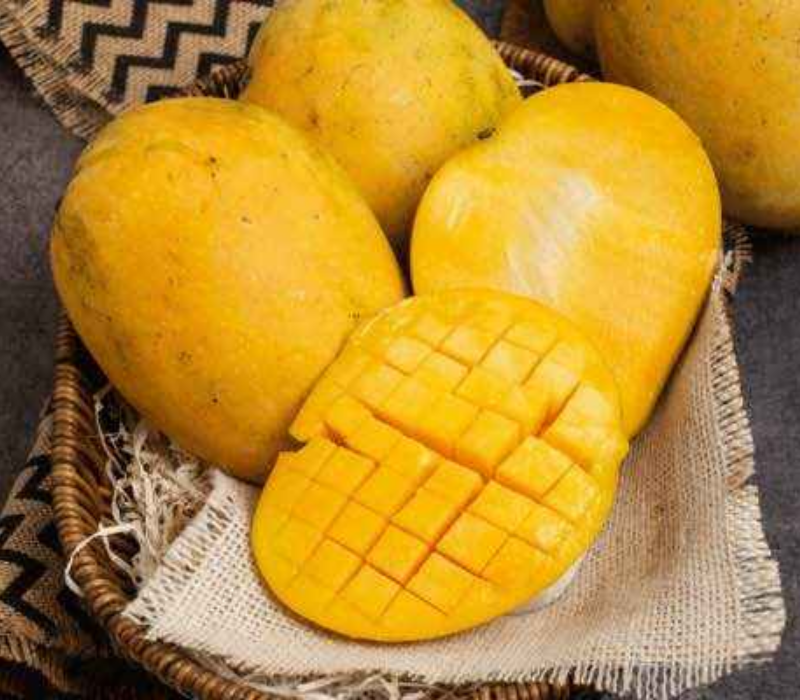
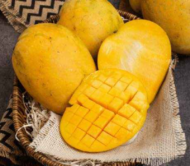
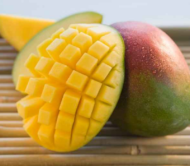
Flesh is vibrant orange-yellow and visually appealing.
⚖️ Weight & Size:
Medium to large fruit, weighing 450 to 750 grams.
Oval shape, with a slightly rounded base and tapered tip.
🍬 Brix (Sweetness):
High sugar content, typically 18 to 20° Brix.
Considered one of the sweetest commercial mangoes from the U.S.
🧵 Texture:
Very smooth, fiberless, and juicy flesh.
Easy to cut, scoop, or blend.
🌱 Cultivation Details
📅 Season:
Mid to late season variety.
In Florida, it’s typically harvested from June to August.
☀️ Climate Requirements:
Grows well in tropical and subtropical climates.
Requires warm, frost-free weather and full sun.
🌳 Tree Characteristics:
Vigorous and upright growth habit.
Can become a large tree if not pruned.
High-yielding under proper management.
🛡️ Disease Resistance:
Fairly good resistance to diseases like anthracnose, but fruit may suffer in overly humid or rainy conditions during flowering.
The Kent mango (Mangifera indica ‘Kent’) originated from a seedling of the Brooks mango in Florida in the 1930s. It has become widely cultivated in the Americas, Africa, and parts of Asia due to its excellent fruit quality and productivity.
The fruit is oval to round, large in size (typically 500–900 grams), with green skin that may develop a red or yellow blush as it ripens. The flesh is deep orange-yellow, juicy, and almost fiberless, offering a rich and sweet flavor with low acidity.
Kent mangoes are monoembryonic, so they must be propagated through grafting. The tree has a vigorous growth habit and produces fruit reliably each year. Harvest occurs during the late season—typically July to September in Florida and similar subtropical regions.
Palmer Mango – Characteristics
Feature
Details
Origin
Florida, USA
Shape
Elongated oval
Skin Color
Green with deep red to purple blush
Flesh Color
Orange to deep yellow
Texture
Nearly fiberless, smooth
Weight
500–1000 grams
Taste
Mildly sweet, low acid
Harvest Season
July to September (late-season)
Briks (TSS)
Around 14–18° Brix
Keeping Quality
Excellent
Seed Type
Monoembryonic
🌱 American Kent Mango – Cultivation Guide:-
✅ 1. Climate & Soil
Requirement
Ideal Condition
Climate
Tropical or subtropical
Temperature
25–35°C, frost-free
Rainfall
1000–1500 mm annually
Soil Type
Well-drained loam or sandy-loam
Soil pH
5.5–7.5
✅ 2. Propagation & Planting:-
Factor
Specification
Propagation
Grafted plants (not true-to-type from seeds)
Spacing
8 × 8 m or 10 × 10 m
Planting Time
Best in monsoon (June–August) or spring
Pit Size
1m × 1m × 1m with compost + topsoil mixture
✅ 3. Irrigation:-
Stage
Watering Frequency
Young Trees
Every 7–10 days during dry spells
Mature Trees
15–20 days interval before flowering/fruiting
Avoid
Stagnant water; drip irrigation is ideal
✅ 4. Fertilization Schedule:-
Tree Age
FYM
N (g)
P (g)
K (g)
1–3 years
10–20 kg
100
50
100
4–6 years
25–30 kg
250
125
250
7+ years
40–50 kg
500
250
500
Apply half dose in February–March, half in August–September
Use foliar sprays of micronutrients like Zinc, Boron, and Magnesium
✅ 5. Flowering & Fruiting:-
Flowering time: January–March
Use of NAA 20 ppm during flowering can increase fruit set
Protect flowers from powdery mildew with Sulfur sprays
✅ 6. Pruning:-
Light pruning after harvest to maintain open canopy
Remove dead, diseased, and crossing branches
Shape tree in early years for strong scaffold
✅ 7. Harvesting & Yield:-
Feature
Detail
Bearing Age
Starts in 4–5 years
Harvest Season
July–September (late-season)
Fruit Yield
12–18 tons/ha (mature trees)
Harvest Clue
Full shoulders, internal ripening begins
✅ 8. Pests & Diseases:-
Problem
Control Methods
Anthracnose
Copper fungicides, avoid overhead watering
Powdery Mildew
Wettable sulfur, neem oil
Fruit Flies
Bait traps, sanitation, spraying malathion
Scales & Mealybugs
Neem oil, systemic insecticides
✅ Advantages of Kent Mango Cultivation:
High fruit quality and taste
Fiberless pulp and attractive shape
Excellent for fresh market and export
Late harvest complements early-season varieties
Would you like:
A comparison chart between Kent vs Palmer vs Tommy Atkins?
A downloadable cultivation calendar?
Or help identifying Kent mango trees in your orchard?

Reviews
Clear filtersThere are no reviews yet.