Sort by
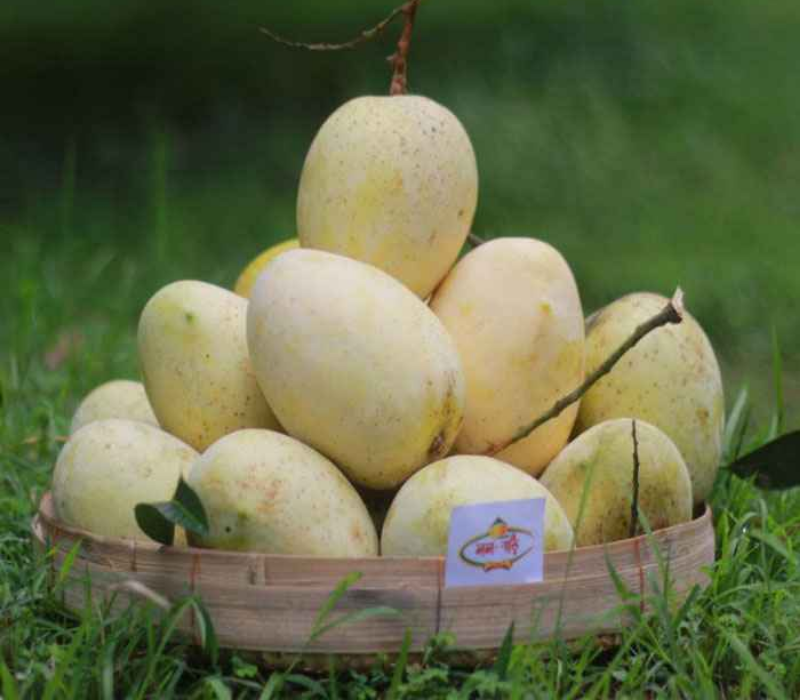
Chaunsa Mango
Here’s a short description of Chaunsa Mango:-
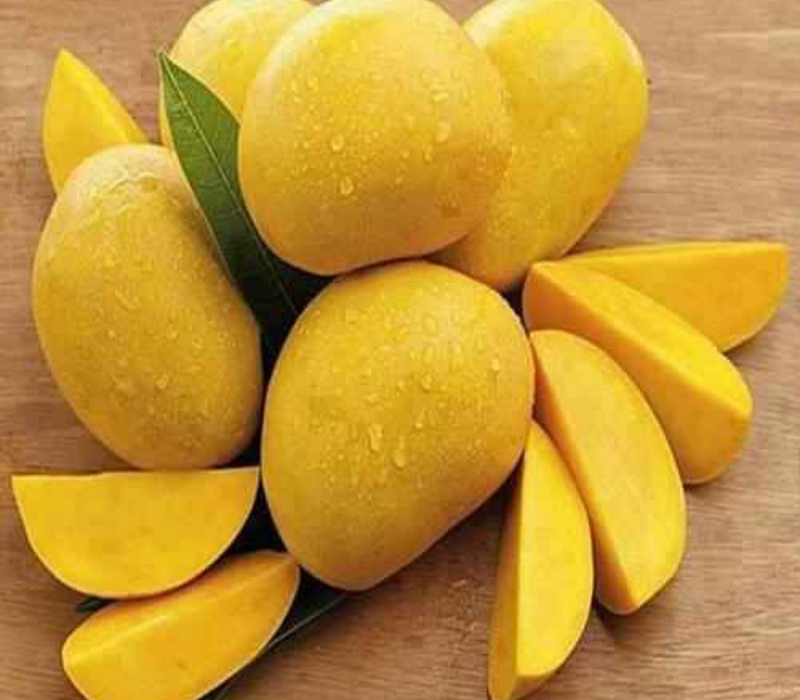
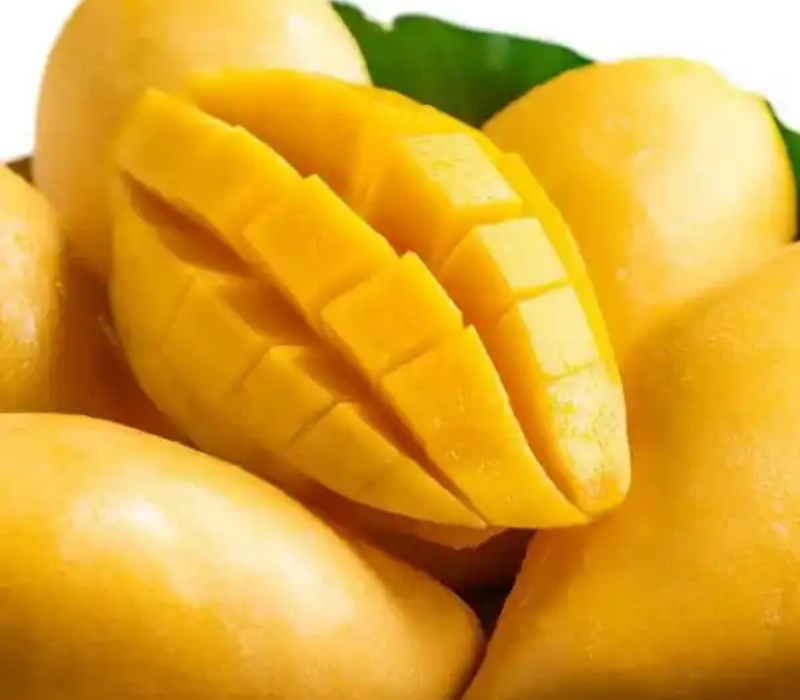
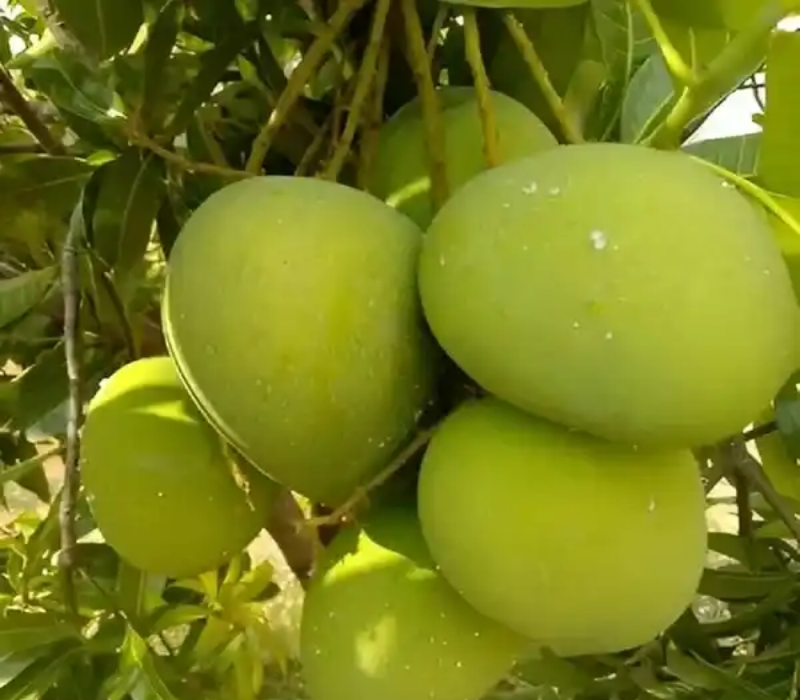
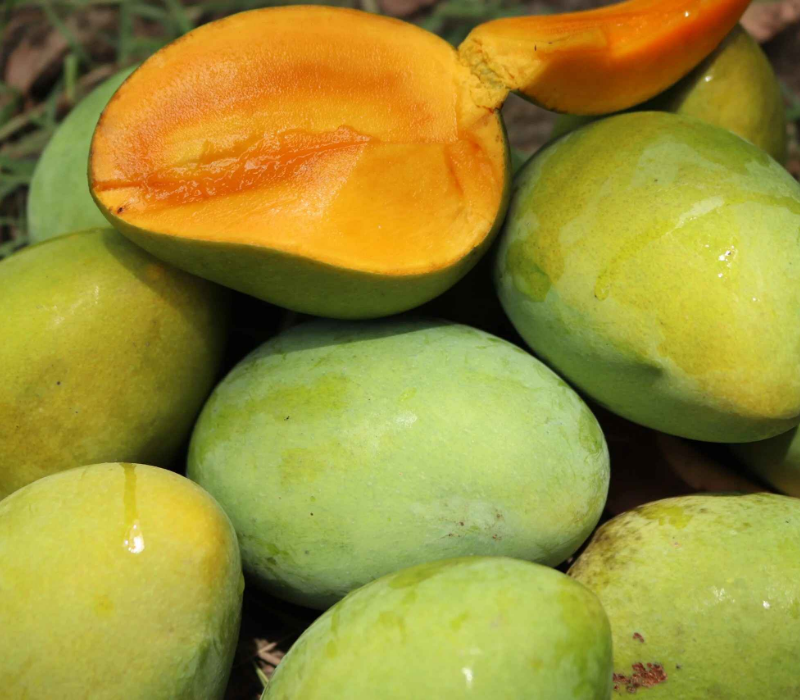
Chaunsa Mango is a premium, golden-yellow variety known for its rich sweetness, juicy fiberless pulp, and strong aroma. With a long shelf life and high export demand, it is considered one of the finest mangoes worldwide.
-
Origin: Native to India and widely grown in Pakistan and Northern India; one of the most popular export varieties.
-
Tree Size: Medium to large, vigorous canopy.
-
Fruit Shape & Size: Medium to large, oval to slightly oblong.
-
Color: Golden yellow skin when ripe, sometimes with a reddish blush.
-
Taste: Exceptionally sweet, juicy, and fiberless pulp with strong aroma.
-
Varieties: White Chaunsa, Sweet Chaunsa, Honey Chaunsa.
-
Shelf Life: Long, making it suitable for transport and export.
-
Special Feature: High TSS (sugar content), rich in vitamins A & C, considered one of the best-tasting mangoes globally.
Mallika Mango
Here’s a short description of Mallika Mango:
Mallika Mango is a semi-dwarf hybrid of Neelum × Dasheri, producing medium to large, oblong fruits with sweet, fiberless, and aromatic pulp. Known as a superior dessert mango, it has a good shelf life (7–10 days) and is ideal for commercial farming.
Do you want me to also include a one-line ultra-short version (perfect for product listing or catalog headings)?
-
Origin: A hybrid variety developed by crossing Neelum × Dasheri at the Indian Agricultural Research Institute (IARI).
-
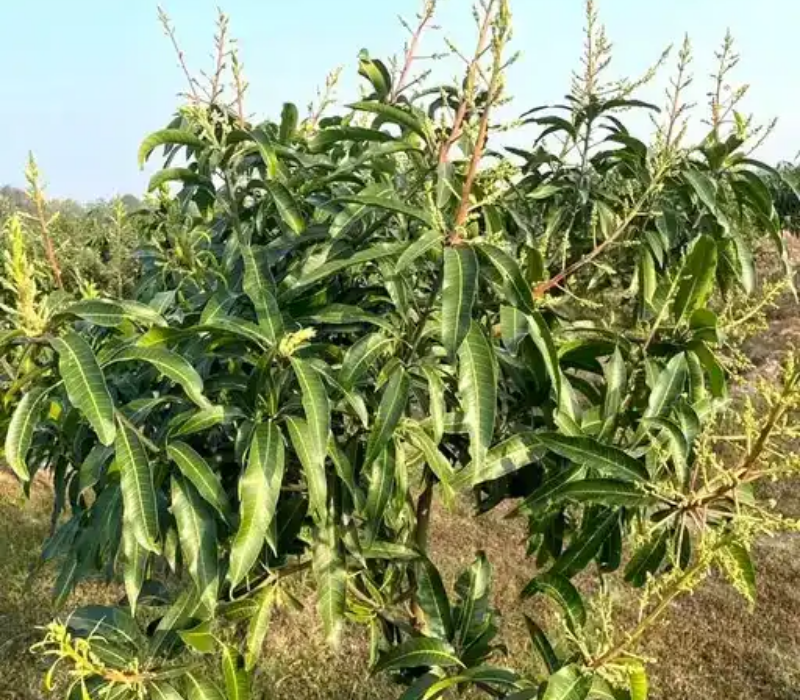
Tree Size: Semi-dwarf, moderately vigorous, suitable for medium to high-density orchards.
-
Fruit Shape & Size: Oblong to oval, medium to large fruits (250–350 g each).
-
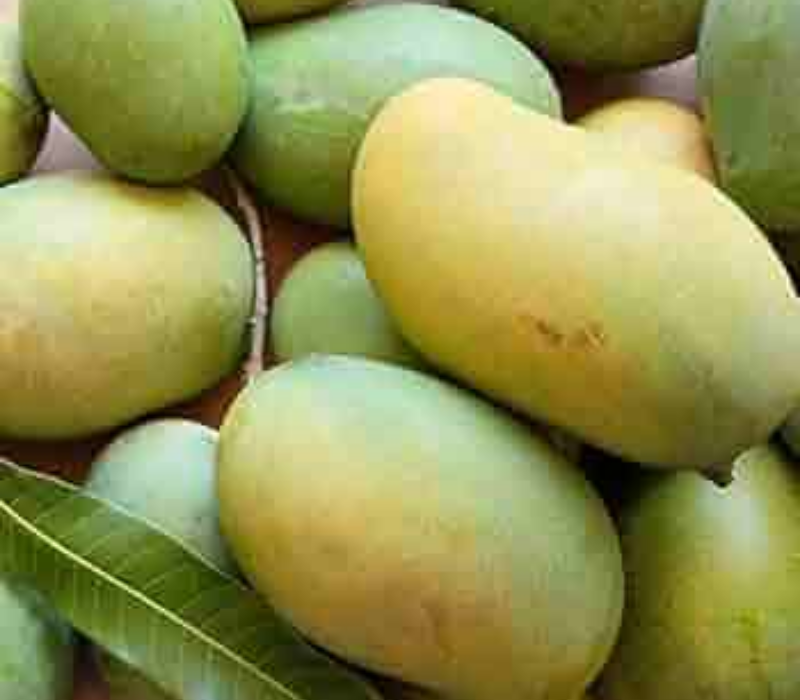
Color: Greenish-yellow to apricot-orange when ripe.
-
Taste: Exceptionally sweet, fiberless, aromatic pulp with a pleasant flavor.
-
Shelf Life: Longer than Amrapali (about 7–10 days at room temperature).
-
Special Feature: Known as a “superior dessert mango”; rich in sugar and vitamins.
-
Harvest Time: Usually ripens in June–July.
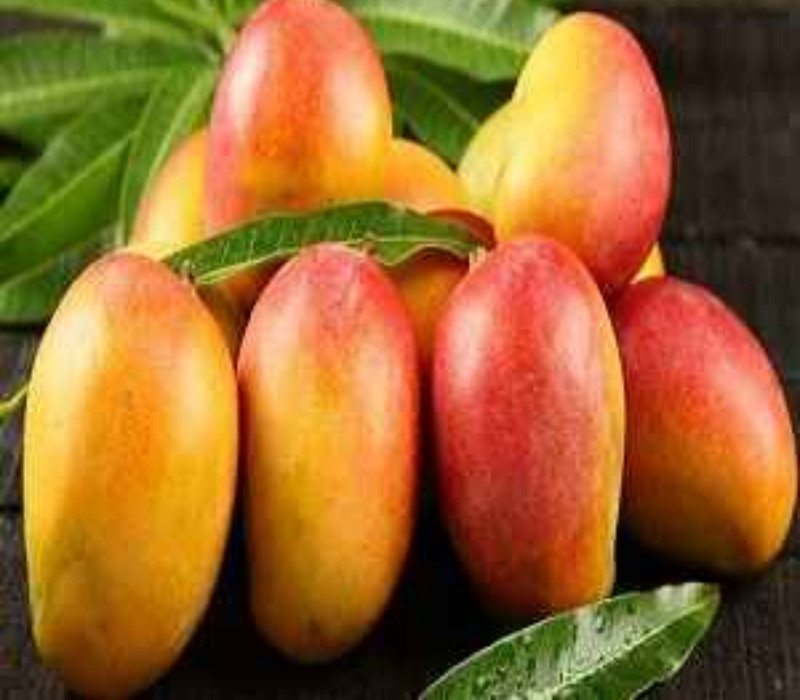
Amrapali Mango
🌳 Amrapali Mango – Description:-
-
Origin: Developed in 1971 at the Indian Agricultural Research Institute (IARI), Delhi. It is a hybrid variety of Dasheri and Neelum mangoes.
-
Tree Size: Dwarf in nature, suitable for high-density plantation.
-
Fruit Shape & Size: Medium to small, oval-shaped fruits.
-
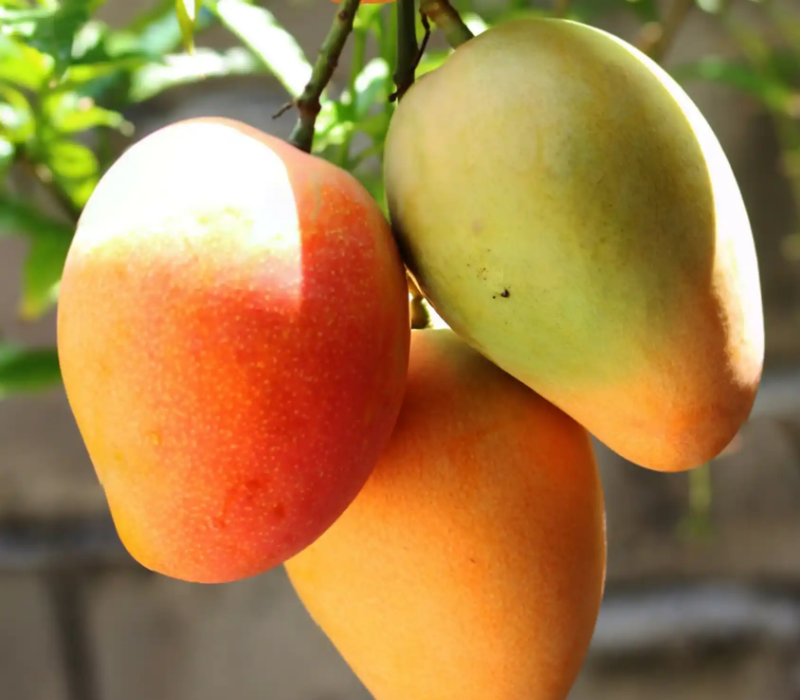
Color: Reddish-yellow skin when ripe, with deep orange flesh.
-
Taste: Very sweet and fiberless pulp.
-
Shelf Life: Short (fruits must be consumed or processed quickly).
-
Yield: Very high-yielding variety, fruits in clusters.
-
Special Feature: Rich in carotene (Vitamin A), high sugar content, excellent for table use and juice/pulp processing.
Suvarnarekha Mango
Suvarnarekha Mango – Short Description:-
- Shape: Oblong to oval
- Color: Golden yellow with reddish blush
- Weight: 250–400 g per fruit
- Flesh: Deep yellow, firm, fiberless
- Sweetness: Sweet with mild sourness, aromatic
- TSS (Brix): 19–21°
- Special Feature: Attractive look, good shelf life, export quality
Do you also want me to make a combined table of Haribhanga, Gourmoti, and Suvarnarekha short descriptions for easy side-by-side comparison?
Gourmoti Mango
Gourmoti Mango – Short Description:-
- Shape: Oval to oblong
- Color: Light green to golden-yellow when ripe
- Weight: 200–350 g per fruit
- Flesh: Soft, juicy, fiberless, bright yellow
- Sweetness: Very sweet with mild aroma
- TSS (Brix): 18–20°
- Special Feature: Early-season variety, high market demand
Would you like me to prepare a side-by-side short comparison of Haribhanga vs Gourmoti so you can quickly highlight differences for your catalog?
Haribhanga Mango
Haribhanga Mango – Short Description:-
- Shape: Round to slightly oval
- Color: Greenish-yellow when ripe
- Weight: 300–700 g per fruit
- Flesh: Yellow, juicy, fiberless
- Sweetness: Very sweet, aromatic, low sourness
- TSS (Brix): 18–22°
- Special Feature: Thick skin, long shelf life, GI-tagged variety
Would you like me to also prepare a comparison table (like Haribhanga vs other mangoes) so you can easily present all varieties together?
Nass 3 Mango
Here’s the short description of NASS 3 Mango:
NASS 3 Mango is a high-yielding hybrid from the Philippines with oval-oblong fruits (350–600 g), bright yellow skin with light red blush, and golden-yellow, fiberless pulp. It has a sweet, aromatic taste (19–21° Brix), shelf life of 10–14 days, and good resistance to anthracnose & powdery mildew. Trees start bearing in 3–4 years, producing 10–12 tons/acre (traditional) or 16–18 tons/acre (high-density farming).
👉 Do you want me to also prepare a comparison chart of NASS 3 vs Keitt vs American Beauty Mango for quick side-by-side reference?
-
Origin: Philippines (developed under NASS program)
-
Shape: Oval-oblong, uniform
-
Skin Color: Green turning bright yellow with light red blush at maturity
-
Pulp Color: Deep golden-yellow, fiberless and juicy
-
Average Weight: 350–600 g per fruit
-
Taste: Sweet and aromatic, less acidic
-
TSS (Total Soluble Solids): 19–21° Brix
-
Shelf Life: 10–14 days (good for transport/export)
-
Special Features:
-
High fruit setting rate
-
Resistant to anthracnose and powdery mildew
-
Excellent keeping quality
-
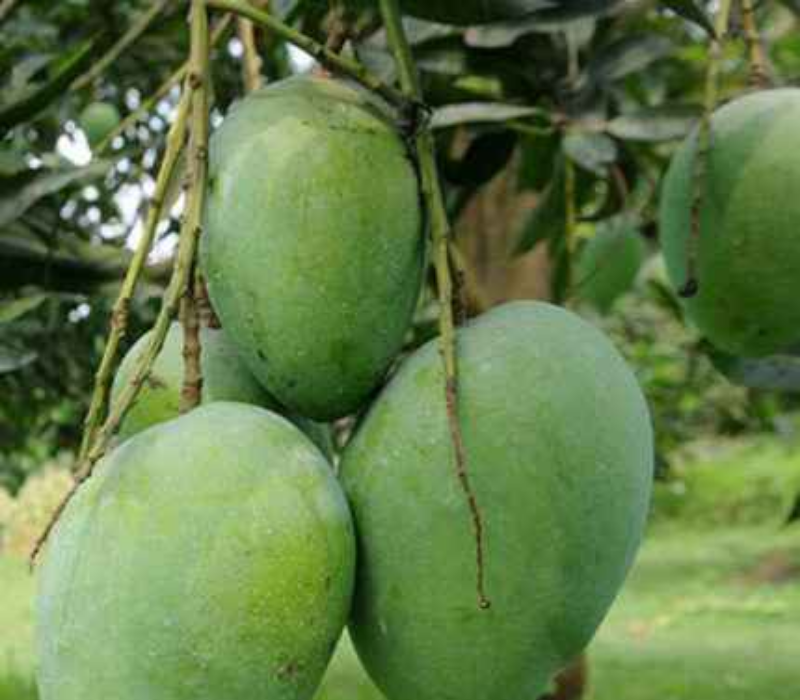
Keitt Mango
Here’s the short description of Keitt Mango:-
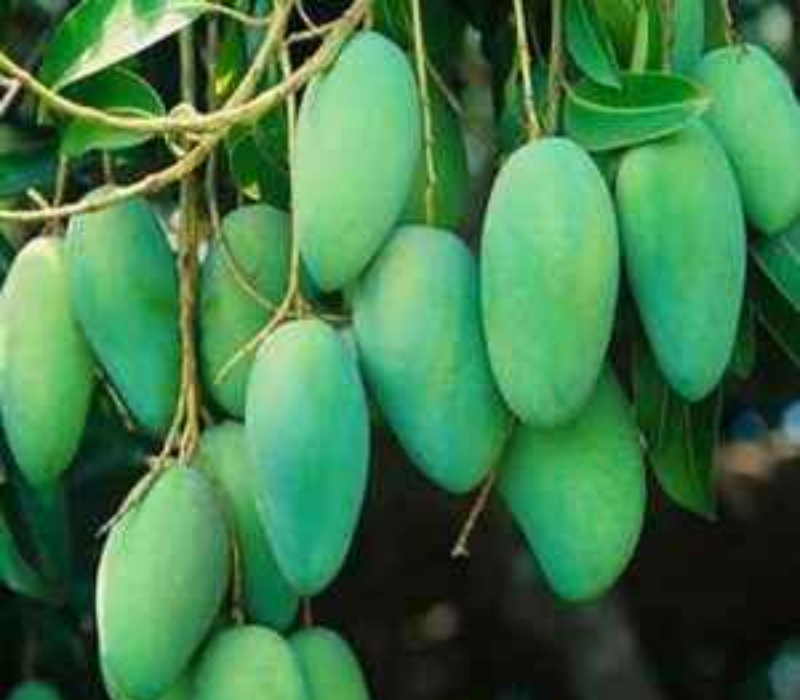
Keitt Mango is a late-season variety from Florida, producing large oval fruits (500 g–2 kg) with green skin (stays green when ripe) and golden-yellow, fiberless pulp. It has a mild sweet-tangy taste (18–20° Brix) and an excellent shelf life of 2–3 weeks, making it highly suitable for export. Trees start bearing in 3–4 years, yielding 8–10 tons/acre (traditional) or 15–18 tons/acre (high-density farming).
👉 Do you also want me to make a comparison table between American Beauty Mango vs Keitt Mango (size, color, sweetness, season, shelf life, yield, etc.)?
-
Origin: Florida, USA
-
Season: Late variety – harvested from August to October (extends mango season after most varieties are finished)
-
Shape: Oval to oblong
-
Skin Color: Green (retains green color even at maturity, sometimes with a light pink blush)
-
Pulp Color: Golden-yellow, nearly fiberless, smooth, juicy
-
Average Weight: 500 g to 2 kg per fruit (one of the largest commercial mangoes)
-
Taste: Sweet with a mild, tangy flavor and pleasant aroma
-
TSS (Total Soluble Solids): 18–20° Brix
-
Shelf Life: 2–3 weeks after harvest (excellent for transport & export)
-
Special Features:-
-
Late-season ripening, ensuring mango supply after other varieties end
-
Large fruits & long shelf life, highly suitable for export
-
Low fiber, excellent eating quality
-
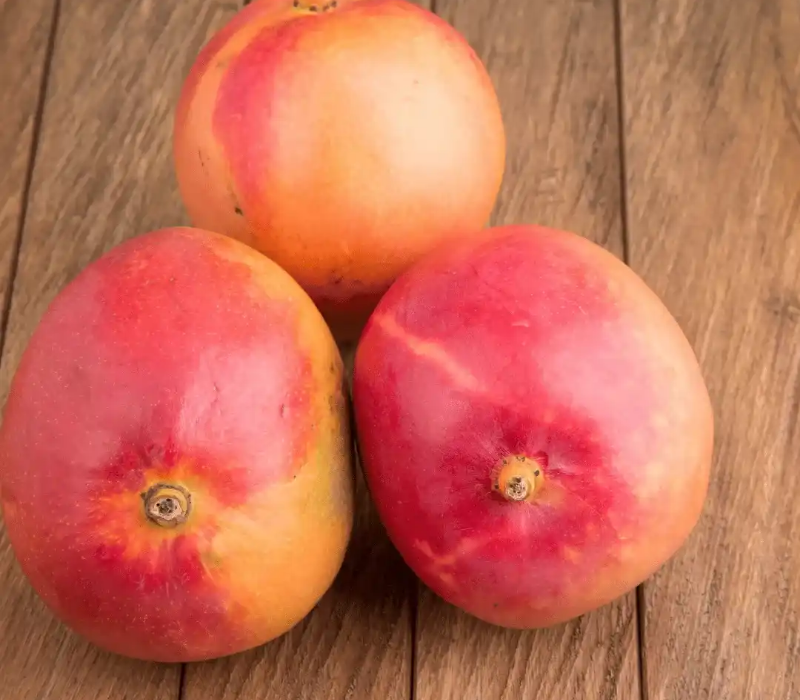
American Beauty Mango
Here’s the short description of American Beauty Mango:-
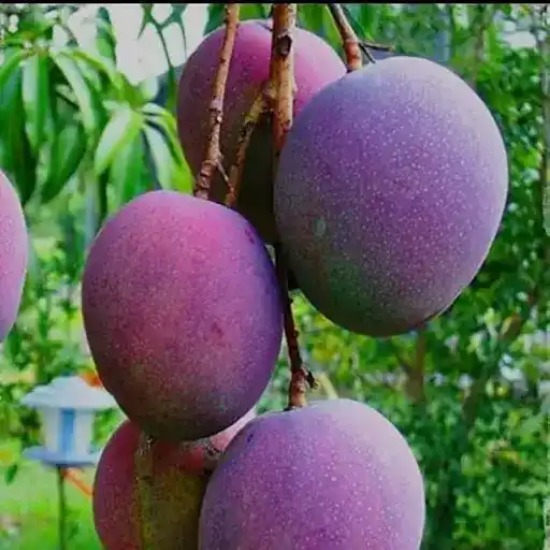
American Beauty Mango is a premium hybrid variety with large oval fruits (350–500 g), a yellow skin with bright red/purple blush, and deep orange, fiberless, juicy pulp. It has a very sweet taste (20–22° Brix), a shelf life of 12–15 days, and is highly suitable for export markets. Trees start bearing in 3–4 years, yielding 100–200 kg per tree annually, with good disease resistance and high profitability.
👉 Do you want me to also make a comparison table (size, color, sweetness, TSS, yield, etc.) between 3Test Mango and American Beauty Mango for easy reference?
-
Shape: Oval to oblong
-
Skin Color: Yellow base with bright red/purple blush at maturity
-
Pulp Color: Deep orange-yellow, fiberless, juicy
-
Average Weight: 350–500 g per fruit
-
Taste: Very sweet, aromatic
-
TSS (Total Soluble Solids): 20–22° Brix
-
Shelf Life: 12–15 days after harvest (excellent for transport & export)
-
Special Feature: Attractive appearance + high sweetness, often compared to Florida mango types