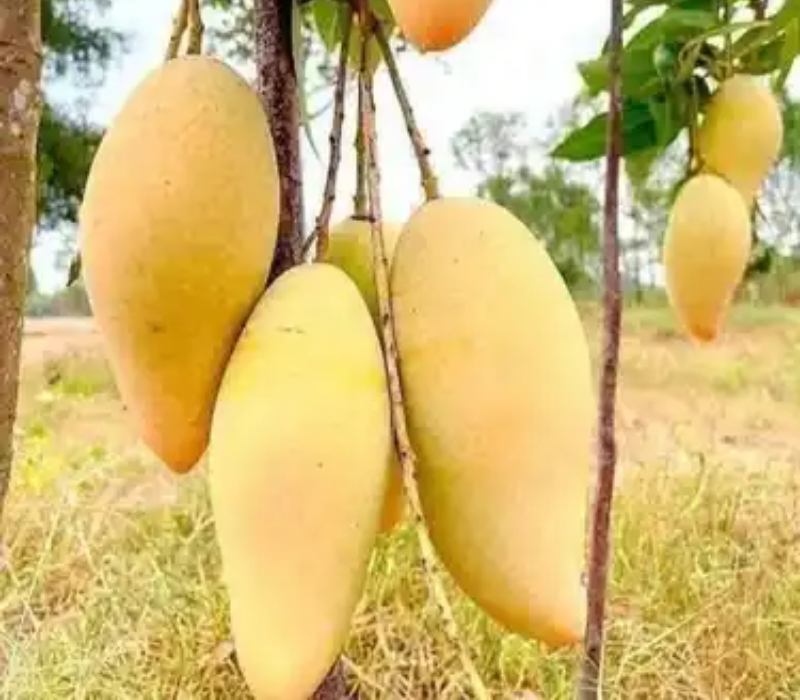
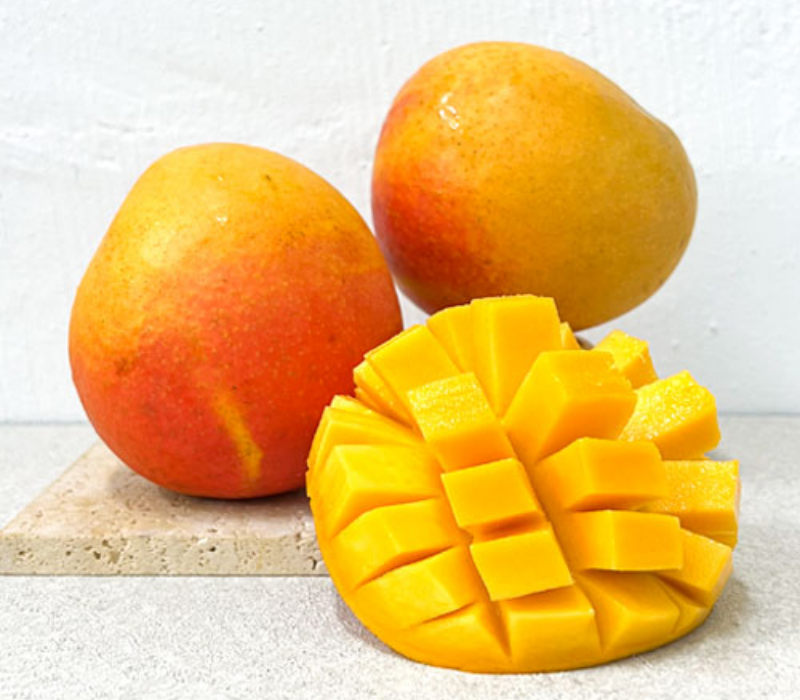
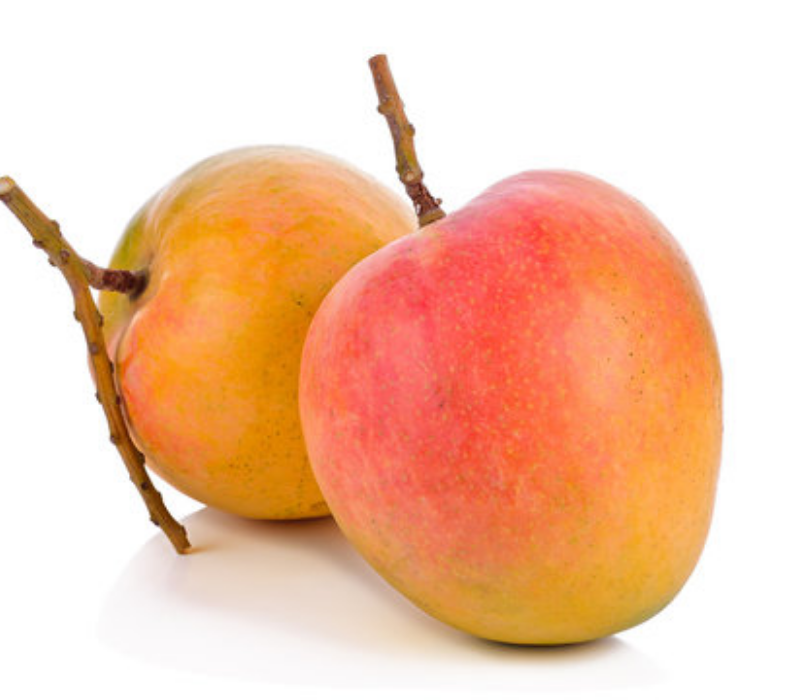
Mahachanok Mango

420.004,500.00

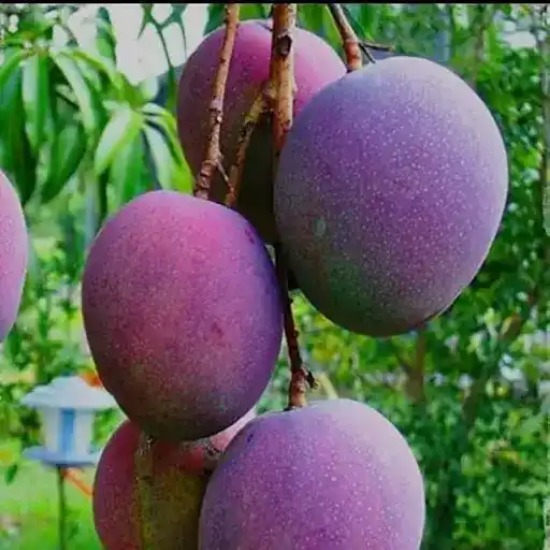
🥭 Mahachanok Mango – Key Attributes

  • Sweetness:
    Very sweet with a rich, floral aroma; one of the sweetest Thai varieties.

  • Taste:
    Smooth, tropical, and aromatic with a honey-like flavor.
    Low acidity and fiberless, melt-in-the-mouth texture.

  • Colour:

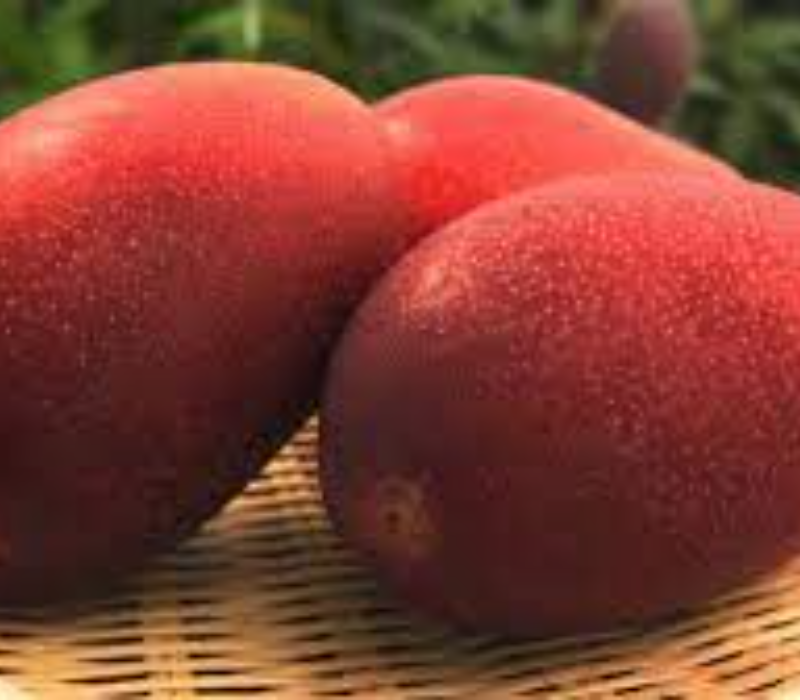
    • Skin: Golden yellow with a striking reddish-pink blush when ripe

    • Flesh: Deep yellow to orange, glossy and smooth

  • Weight:
    Typically 250g to 450g per fruit
    (some larger fruits may reach up to 500g)

  • Brix (Sugar Content):
    18–21° Brix, indicating high natural sweetness


Let me know if you want this in a comparison table with other mangoes like Nam Dok Mai or R2E2

Thai Katimon Mango or Chok Anan

420.005,200.00

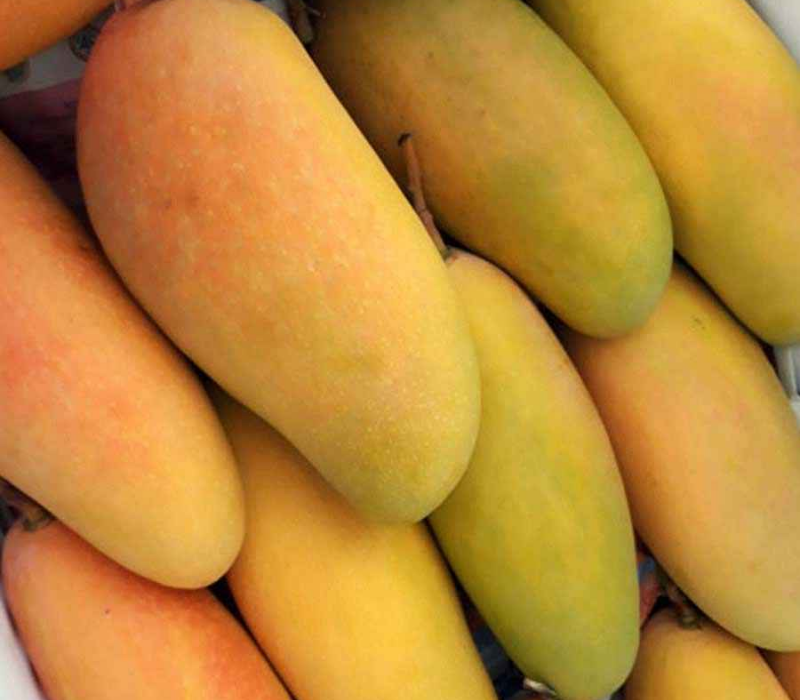
Thai Katimon Mango or Chok Anan: Description:-

Thai Katimon Mango is a popular mango variety from Thailand known for its early fruiting, compact growth, and delightfully sweet flavor. It is widely appreciated by mango enthusiasts and commercial growers for its excellent taste, manageable tree size, and reliable yields.


Key Characteristics:

  • Origin: Thailand

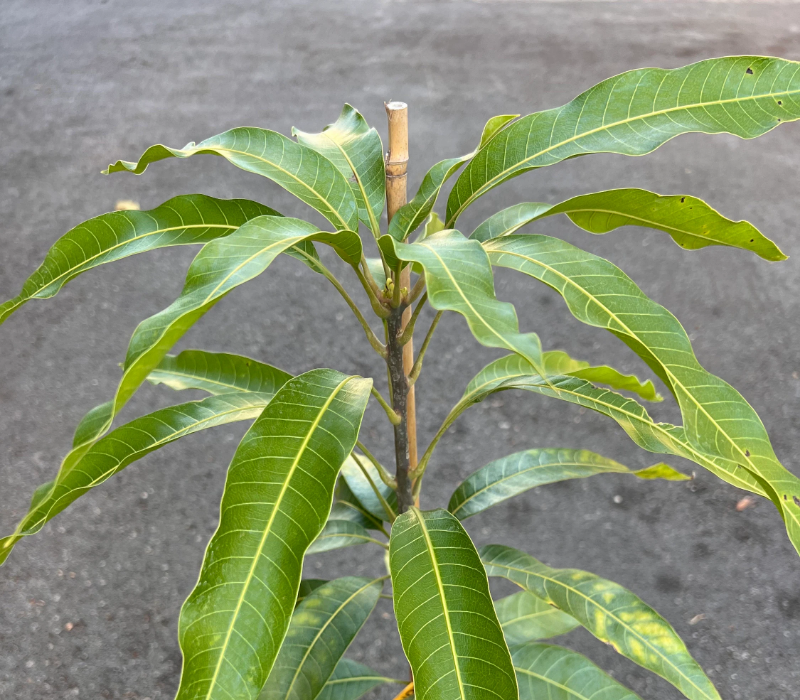
  • Tree Size: Dwarf to medium, compact and bushy – ideal for small spaces and pot cultivation

  • Flowering & Fruiting: Early flowering; can bear fruit more than once a year in favorable climates

  • Fruit Shape: Oval to oblong with a slight beak

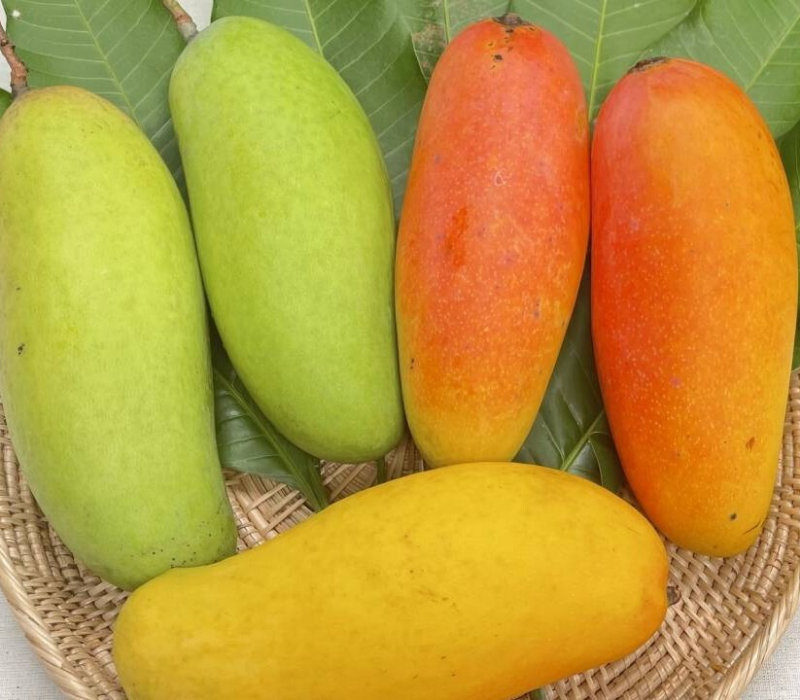
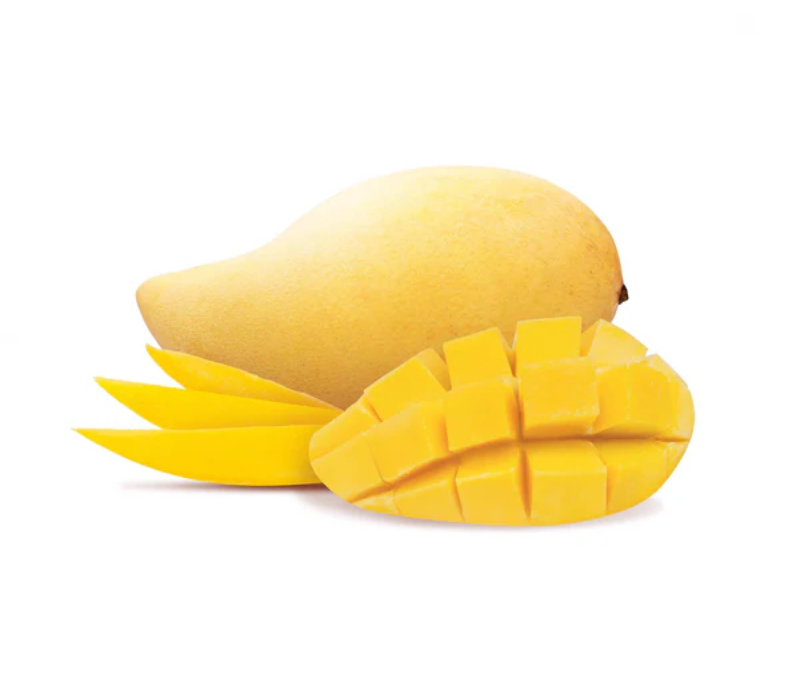
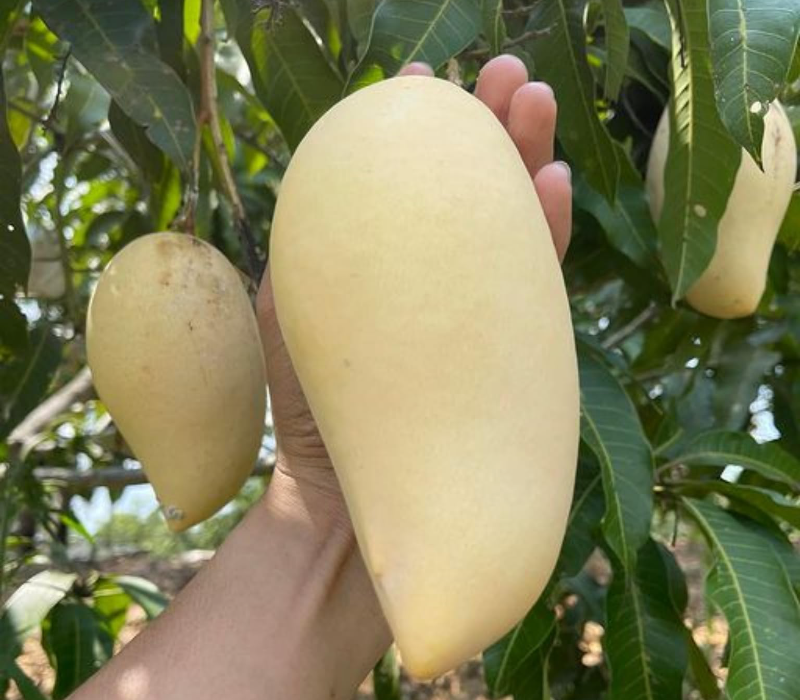
  • Skin Color: Light green when raw, turning light yellow when ripe

  • Flesh Color: Yellow

  • Fiber: Very low to none – smooth, buttery texture

  • Taste: Sweet, rich, and aromatic with a subtle floral hint

  • Seed: Monoembryonic, medium size

  • Weight: Typically 250–400 grams per fruit

  • Brix Level (Sweetness): 18–22° Brix when fully ripe – very sweet

  • Shelf Life: Moderate – best consumed fresh or used in desserts


Special Features:

  • Early Maturing: One of the earliest Thai mangoes to fruit – often harvested before other varieties

  • Compact Growth: Suitable for pot cultivation and high-density planting

  • Repeat Fruiting: In tropical climates, it may produce two crops annually


Ideal For:

  • Home gardens

  • Commercial cultivation in tropical/subtropical regions

  • Grafting and container growing

  • Export due to taste and early harvest season


Would you like a comparison between Katimon and other Thai mangoes like Nam Dok Mai or Chok Anan?

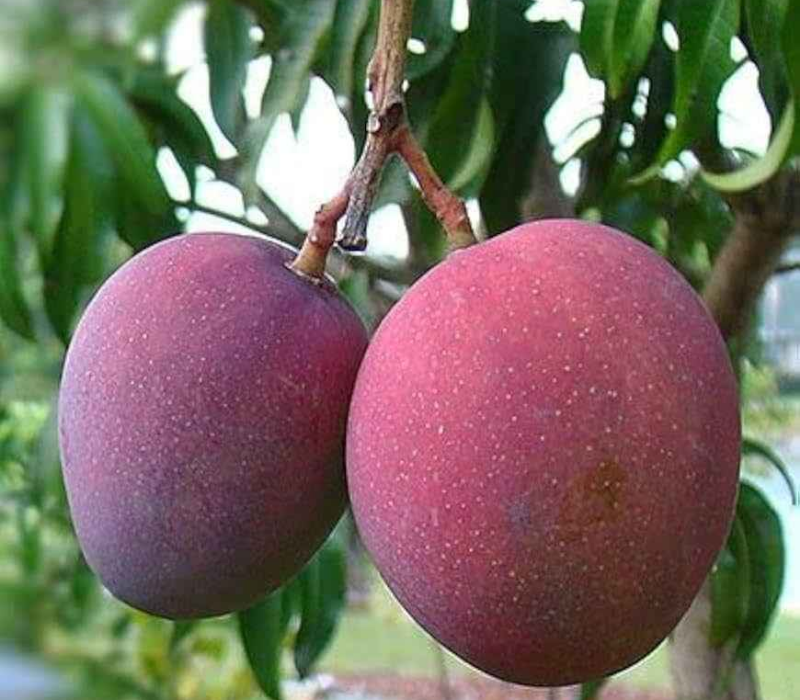
Red Palmer Mango

420.004,500.00

American Palmer Mango Profile:-

🟡 Origin:

  • Developed in Florida, USA, around the mid-20th century.

  • Believed to be a seedling of the Haden mango, selected for commercial potential due to its size and storage life.


🍭 Taste:

  • Mildly sweet with a sub-acid tang, making it refreshing and less sugary than ultra-sweet varieties like Alphonso.

  • The taste becomes richer and more aromatic as the fruit ripens.

  • No fiber, making the flesh smooth and buttery.


🎨 Color:

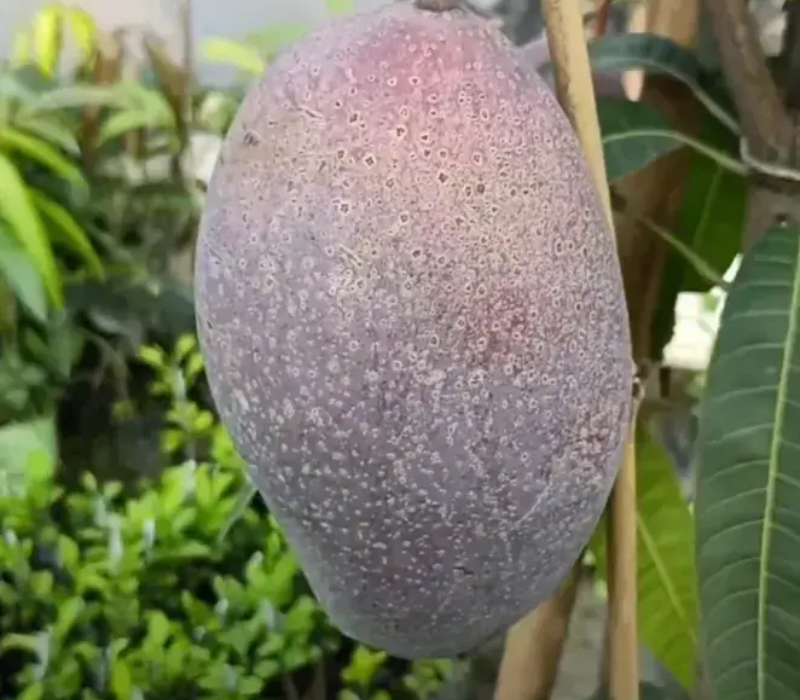
  • Skin is greenish-yellow when immature, ripening to a deep red to purple blush on the sun-exposed side, and golden yellow on the shaded side.

  • Flesh is deep orange-yellow and visually appealing.


⚖️ Weight & Size:

  • Large-sized mango, typically weighing between 600 to 1,000 grams (0.6 to 1 kg).

  • Elongated oval to oblong shape.


🍬 Brix (Sweetness Level):

  • Brix content ranges between 16 to 18° Brix, indicating moderate to high sweetness.

  • Sweetness improves significantly when fully tree-ripened.


🍯 Sweetness Profile:

  • Less cloying than Indian varieties like Dasheri or Langra.

  • Balanced sweetness with a light tropical tang.

  • Ideal for those who prefer non-overpowering sweetness with subtle complexity.


🧵 Texture:

  • Fiberless, smooth, and firm flesh.

  • Excellent for fresh consumption, salads, smoothies, and slicing.


Would you like a comparison of Palmer with another mango like Kent, Tommy Atkins, or Nam Dok Mai?

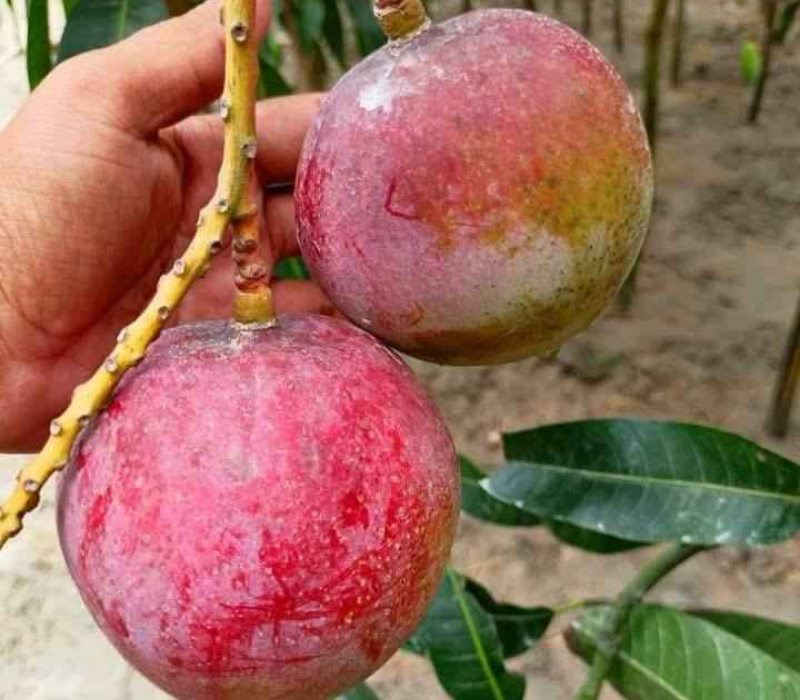
Red Ivory Mango

450.004,200.00

Red Ivory Mango

  • Red Ivory is named for its resemblance to a young elephant’s tusk due to its long, thin shape. It was first introduced into Yunnan, China from Thailand in 1914. The actual tree that was the first to be imported still grows, and during one year produced almost 500 kg of fruit. The fruit has thin, smooth skin.
  • Red ivory mango is a newcomer mango originating from Thailand. This mango has an exotic color with a fairly jumbo fruit size, weighing up to 2 kg per fruit. The taste of the fruit is sweet with a fragrant aroma and has soft flesh without fiber. The fruit has thin, smooth skin.
  • Color: The Red Ivory Mango has an attractive appearance with a distinctive color. The skin is a blend of light green and yellow with a red blush that deepens as the mango ripens, giving it a visually appealing look. The flesh inside is a deep, rich golden-yellow, signaling its ripeness and sweetness.
  • Taste: The taste of the Red Ivory Mango is sweet, aromatic, and rich, with a smooth texture and minimal fiber. It is often described as having a delicate balance of tropical sweetness and a hint of citrusy tang, which adds to its refreshing flavor. The mango’s flesh is buttery, juicy, and creamy, making it a perfect treat to enjoy fresh or in various dishes.
  • Sweetness: The Red Ivory Mango is known for its high sweetness, often rated as one of the sweeter mango varieties. Its sugar content is quite pronounced, and the sweetness is balanced by a subtle tangy note, making it an ideal choice for those who prefer a tropical fruit that is rich yet refreshing.
  • TSS (Total Soluble Solids): The TSS of the Red Ivory Mango typically ranges from 18% to 22% when fully ripe. This high TSS indicates a substantial amount of natural sugars, contributing to its intensely sweet flavor. The TSS value is a key indicator of the fruit’s quality, and the Red Ivory Mango’s high TSS makes it a top-tier mango variety prized for its flavor and texture.

King of Chakapat Mango

450.005,200.00

 King of Chakapat Mango

  • The King of Chakapat Mango is a premium variety from Nepal, renowned for its rich sweetness and smooth texture. It features a golden-yellow skin with a slight reddish blush when ripe, and its flesh is vibrant orange, soft, and fibrous-free. Known for its intense sweetness, balanced with a mild tanginess, this mango offers a refreshing, juicy taste. With a high BRIX value, the King of Chakapat Mango is considered one of the sweetest mango varieties, making it a prized tropical treat enjoyed fresh or in desserts.
  • Color: The King of Chakapat Mango has a striking appearance with a smooth, golden-yellow skin that may feature a reddish blush or tinge as it ripens. The fruit is large, often giving it a regal appearance, which contributes to its “King” designation. The flesh inside is a rich, deep orange color, vibrant and inviting, indicative of its ripeness and sweetness.

    Taste: The taste of the King of Chakapat Mango is a delightful combination of rich sweetness and subtle tartness. When fully ripe, the flesh is soft and buttery, and it has a smooth texture without fibers, making it incredibly enjoyable to eat. The flavor profile is rich, with a balance of tropical sweetness and a mild tanginess, giving it an incredibly refreshing taste. The mango is known for being juicy and flavorful, offering a perfect blend of both complex and simple tropical flavors.

    Sweetness: The King of Chakapat Mango is incredibly sweet, often described as one of the sweetest mango varieties. Its sweetness is rich and full-bodied, but not overwhelmingly sugary, making it a perfect treat for those who love mangoes with a more mellow, balanced flavor. The sweetness is accompanied by a slight tang, which enhances its overall complexity, and the flesh is very juicy, making it a perfect snack or addition to desserts.

    In summary, the King of Chakapat Mango is celebrated for its golden color, luscious sweetness, and smooth, tangy-sweet taste, making it a top choice for mango lovers.

    TSS : The King of Chakapat Mango is known for its rich sweetness and vibrant flavor, and its Total Soluble Solids (TSS) content typically ranges between 18% to 24% when fully ripe. This high TSS value indicates that the fruit is packed with natural sugars, contributing to its intense sweetness and juicy texture. The higher the TSS, the sweeter and more flavorful the mango, which is why the King of Chakapat is so highly regarded for its delicious taste and smooth, fibrous-free flesh.


Nam Doc Mi Mango

450.004,800.00


Nam Doc Mai  Mango 


A mango is a sweet tropical fruit, and it’s also the name of the trees on which the fruit grows. Ripe mangoes are juicy, fleshy, and delicious. Like peaches and plums, mangoes have an inedible pit at the center. Unlike these other fruits, the skin of a mango is very tough and also inedible.

The Nam Doc Mai mango, a premium variety from Thailand, is known for its exceptional sweetness and smooth, non-fibrous texture. The Total Soluble Solids (TSS) content of the Nam Doc Mai mango typically ranges from 18% to 24% when fully ripe. This high TSS indicates a higher sugar content, contributing to its rich, sweet flavor and creamy texture. The TSS value is an important factor in determining the fruit’s sweetness and overall quality, and the Nam Doc Mai mango is often considered one of the sweetest mango varieties due to this characteristic.

Haribhanga Mango

450.003,200.00

Haribhanga Mango – Short Description:-

  • Shape: Round to slightly oval
  • Color: Greenish-yellow when ripe
  • Weight: 300–700 g per fruit
  • Flesh: Yellow, juicy, fiberless
  • Sweetness: Very sweet, aromatic, low sourness
  • TSS (Brix): 18–22°
  • Special Feature: Thick skin, long shelf life, GI-tagged variety

Would you like me to also prepare a comparison table (like Haribhanga vs other mangoes) so you can easily present all varieties together?

Gourmoti Mango

450.003,200.00

Gourmoti Mango – Short Description:-

  • Shape: Oval to oblong
  • Color: Light green to golden-yellow when ripe
  • Weight: 200–350 g per fruit
  • Flesh: Soft, juicy, fiberless, bright yellow
  • Sweetness: Very sweet with mild aroma
  • TSS (Brix): 18–20°
  • Special Feature: Early-season variety, high market demand

Would you like me to prepare a side-by-side short comparison of Haribhanga vs Gourmoti so you can quickly highlight differences for your catalog?

R2E2 Mango

480.003,800.00

R2E2 Mango :-

The R2E2 mango is large, vibrant, and sweet with a firm, juicy texture. Known for its long shelf life and striking yellow-orange skin with a red blush, it’s a popular choice for export.

  • Sweetness: Mild to moderately sweet

  • Taste: Smooth, slightly floral, low in acidity, pleasant and balanced

  • Colour:

    • Skin: Bright yellow to orange with a prominent red blush

    • Flesh: Deep orange, fiberless

  • Weight: Typically ranges from 500g to 1kg per fruit

  • Brix (Sugar Content): Approximately 14–18° Brix, indicating good sweetness

Let me know if you’d like a comparison with other mango varieties or a formatted version for a catalog.